
The Science of Infrared Heating in Poultry Barns
A deep scientific overview of radiant physics, mass activation, and the engineering principles behind next-generation low-intensity infrared systems.
A deep scientific overview of radiant physics, mass activation, and the engineering principles behind next-generation low-intensity infrared systems.
For generations, poultry producers have struggled with the same challenges: keeping chicks warm, maintaining a stable environment, controlling humidity, and preventing disease outbreaks. While traditional heating methods attempt to solve these issues,…
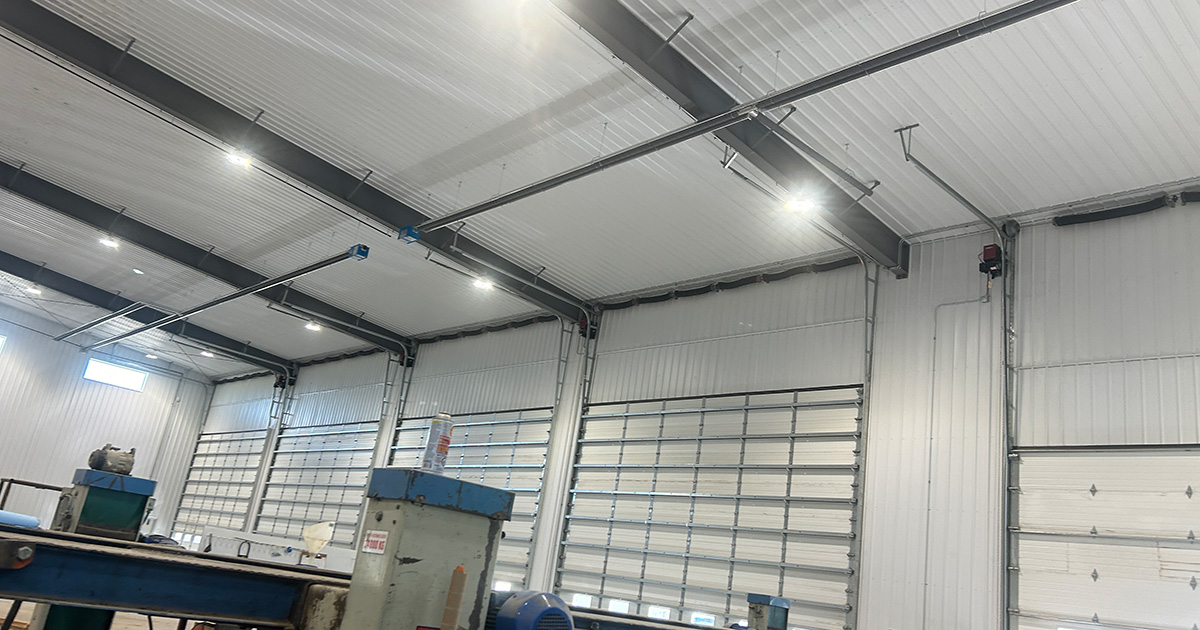
In a large shop, true efficiency begins when the walls, doors, and structure are held in temperature equilibrium — preventing freeze-ups, helping wash bays dry quickly, and reducing burner runtime.
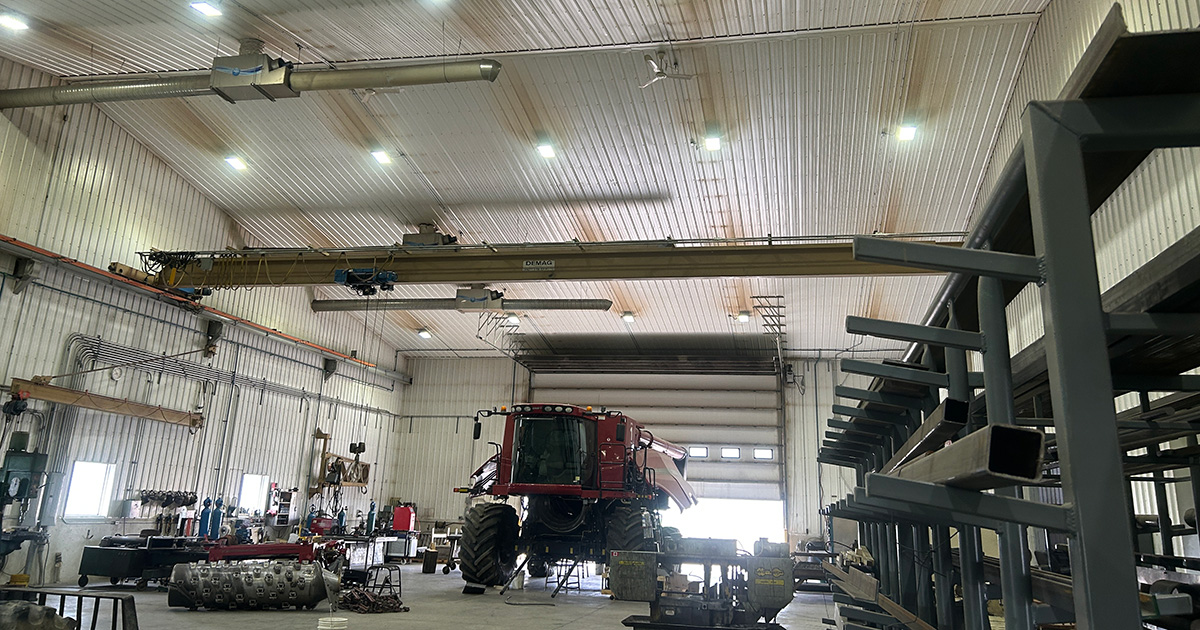
Heated slabs make intuitive sense in small residential spaces. In large shops and barns, they turn the wrong surface into the primary heat source, which leads to slow response, cold structure, condensation, and long runtimes.
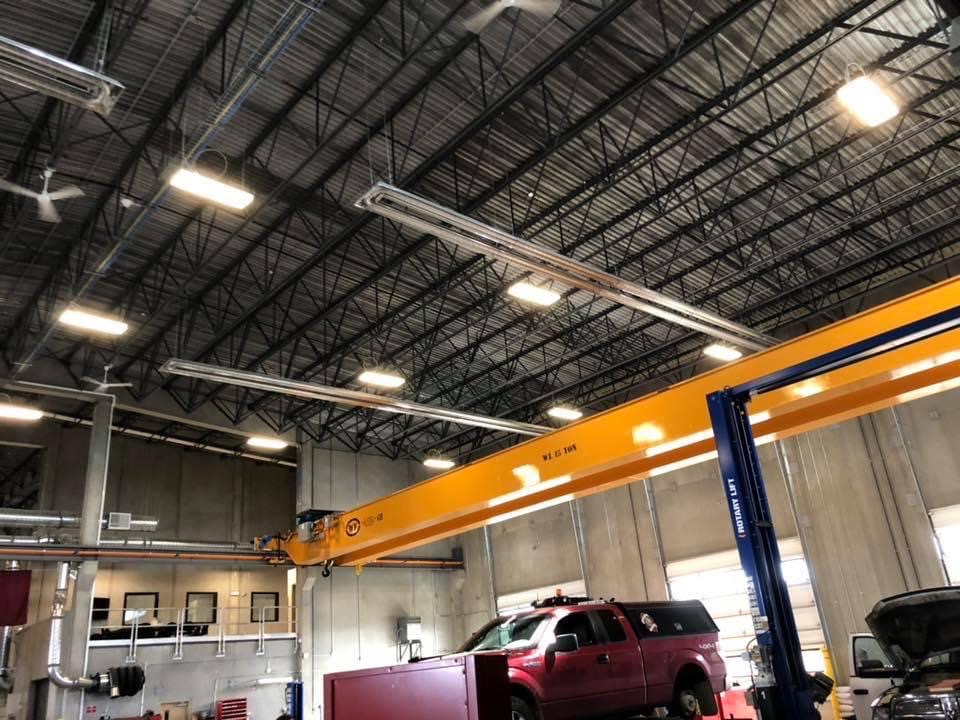
Learn how infrared radiant tube heating systems provide efficient heating for large spaces by directly warming objects and surfaces. Understand key components and their benefits.
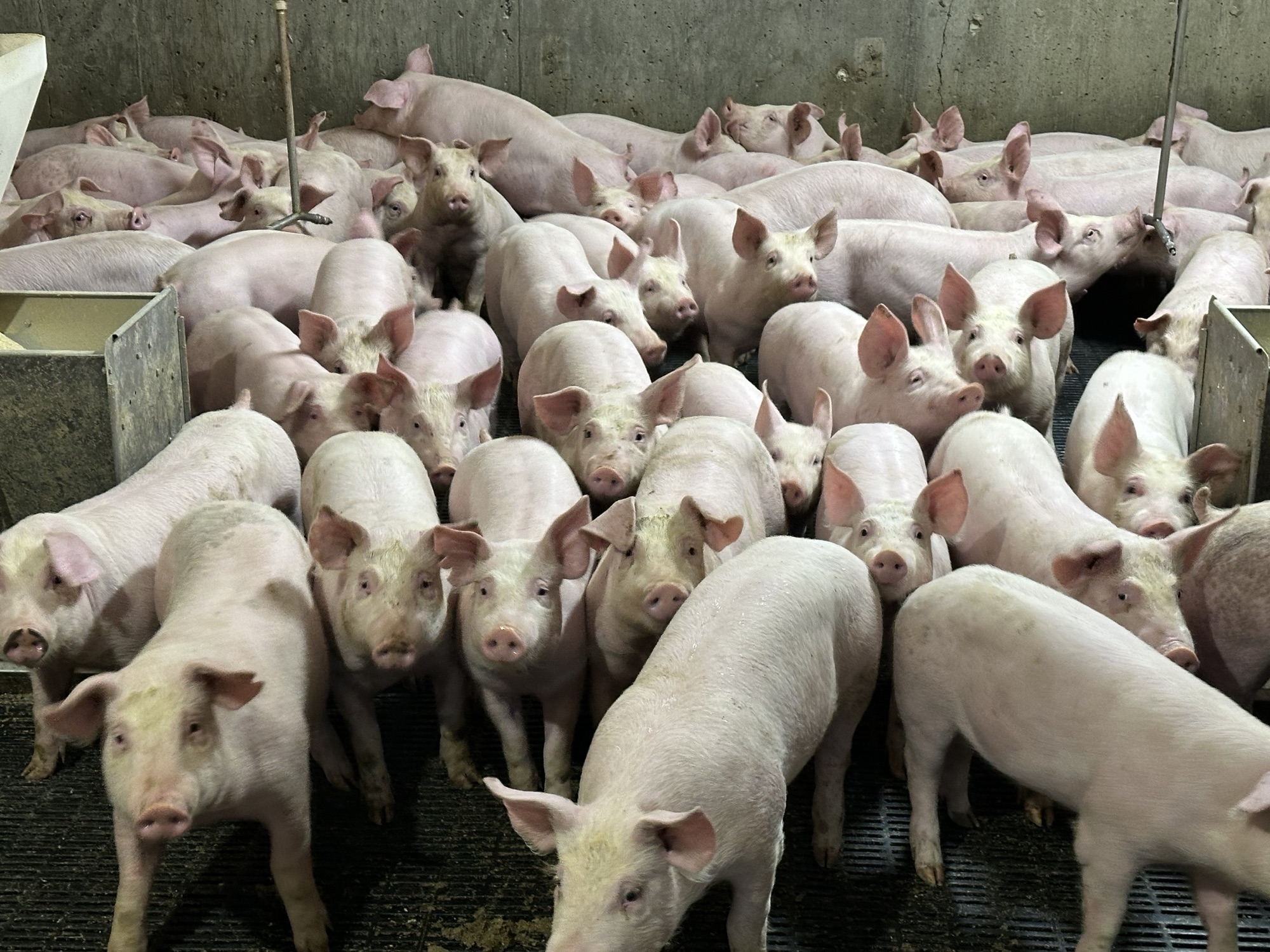
Discover how Reflect-O-Ray® tube infrared heating transforms hog facilities, enhancing efficiency and profitability. Learn how this innovative technology accelerates days to market, reduces feed consumption, and promotes pig health. Explore real-life testimonials and insights from industry experts.
Explore the success story of Sandhills Colony, where Reflect-O-Ray® transforms the poultry game with its even heat distribution, user-friendly versatility, and efficiency. Discover the unique capability of Reflect-O-Ray® to facilitate proper ventilation even in colder temperatures, contributing to optimal poultry growth and reduced operational costs. Join us in celebrating the smart choice for top-tier production and witness the transformative impact on poultry care.”
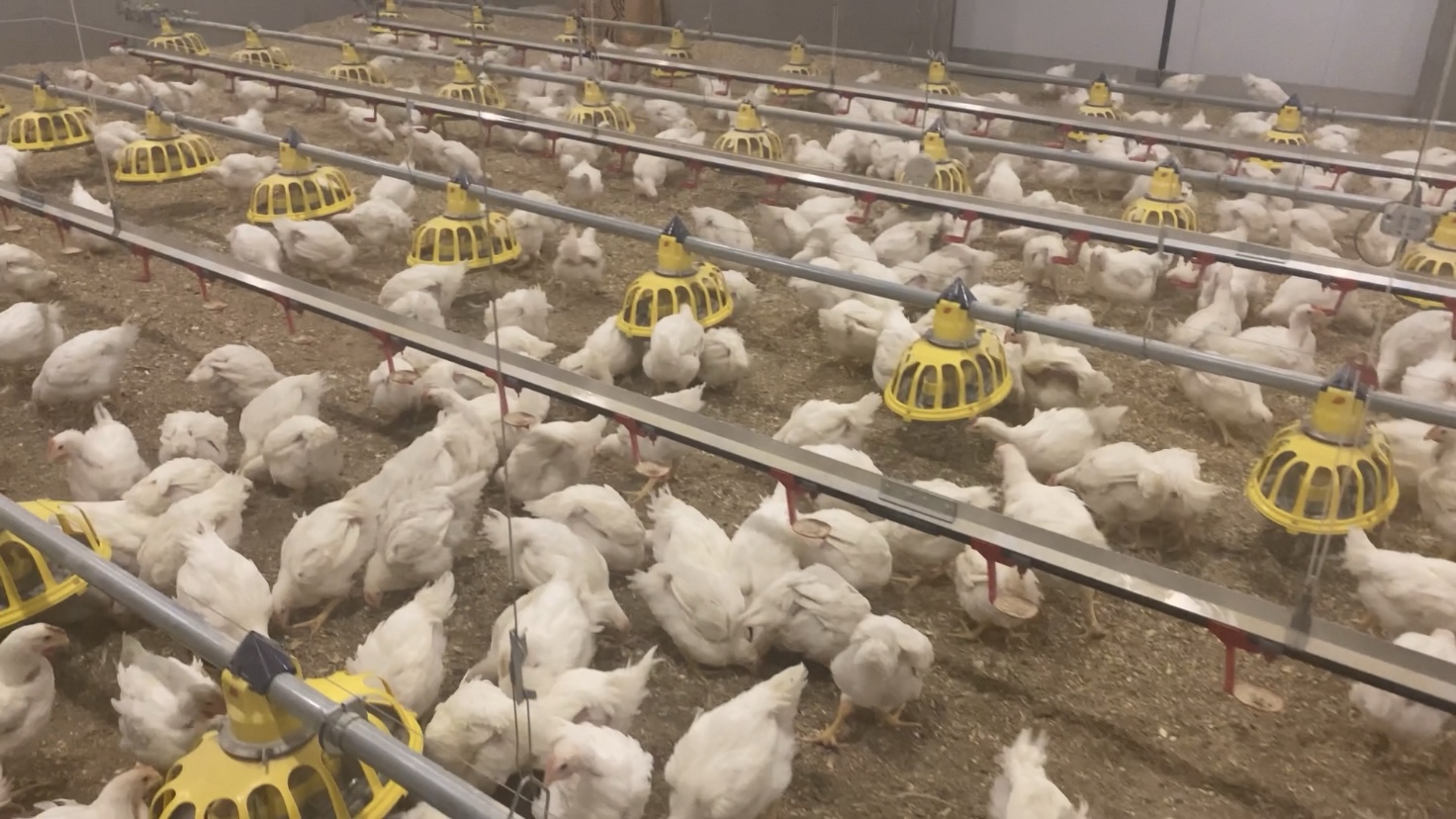
Maintaining dry floors in poultry facilities is not a housekeeping detail. It is a core biological and environmental requirement that directly affects bird health, airflow quality, pathogen control, and long-term production outcomes.