
The Science of Infrared Heating in Poultry Barns
A deep scientific overview of radiant physics, mass activation, and the engineering principles behind next-generation low-intensity infrared systems.
A deep scientific overview of radiant physics, mass activation, and the engineering principles behind next-generation low-intensity infrared systems.
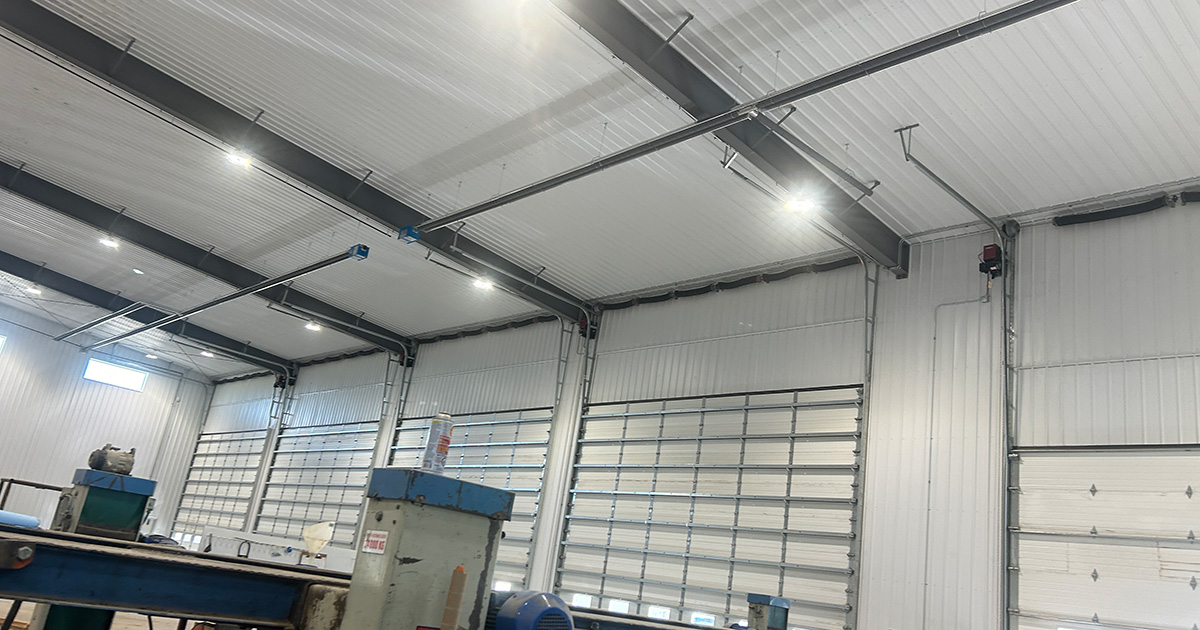
In a large shop, true efficiency begins when the walls, doors, and structure are held in temperature equilibrium — preventing freeze-ups, helping wash bays dry quickly, and reducing burner runtime.
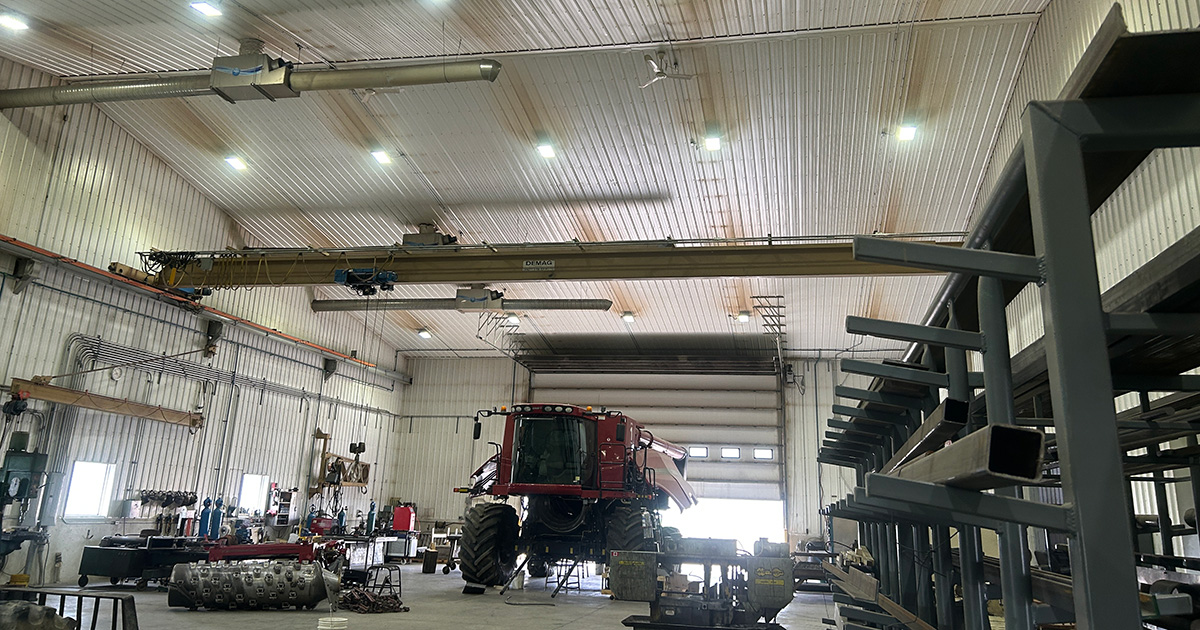
Heated slabs make intuitive sense in small residential spaces. In large shops and barns, they turn the wrong surface into the primary heat source, which leads to slow response, cold structure, condensation, and long runtimes.

At the core of infrared heating is the interaction between electromagnetic radiation and the atoms within objects. When objects are exposed to infrared influence, the photons, or particles of light, interact with the atoms at a subatomic level. This interaction initiates a fascinating dance at the molecular level.
As the photons collide with the atoms, they transfer energy, causing the atoms to vibrate and spin more rapidly. This heightened motion at the subatomic level is what we perceive as an increase in temperature. It’s a microscopic ballet where energy is exchanged, and the result is the generation of heat.