Moisture is costing you milk, bedding, feed — and slowly destroying your barn. Here’s what happens when you finally control the environment — in real numbers, from real Western Canadian barns.
When you fix the environment, everything else starts to change.
38 → 41 kg
Milk per cow per day Sandhills Colony
240k → 140k
Somatic cell count drop Improved milk quality
Daily → Weekly
Bedding change frequency Dry bedding, healthy hooves
30% Less Feed
Cold-stress feeding overhead Same cows, same ration
The goal isn’t just heat — it’s a controlled indoor environment where your herd, your barn, and your people all perform at their best.
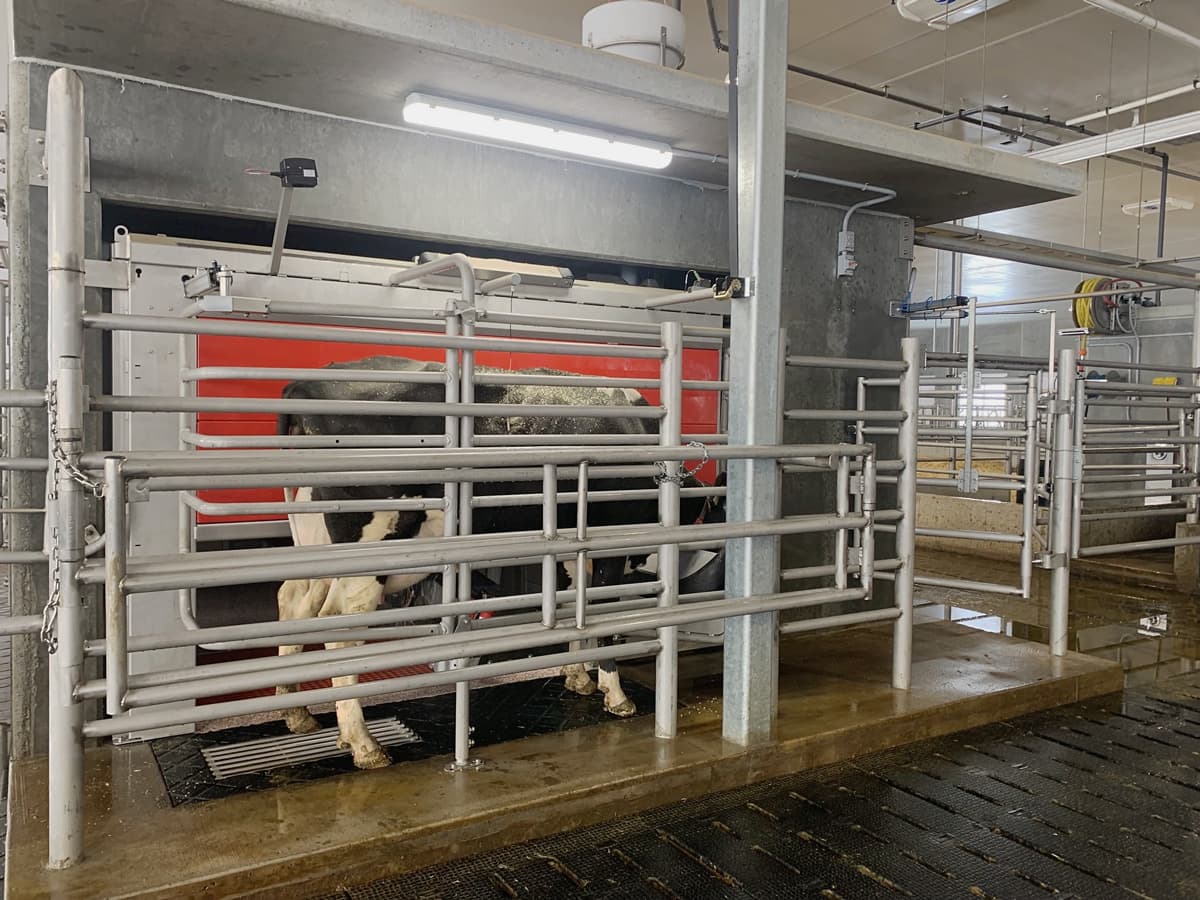
Wolf Creek Colony — milking parlor
}
The Science
Cows can survive the cold. Your barn can’t.
Dairy cows produce tremendous body heat. They can survive prairie winters without supplemental heating. That’s true. But there’s a difference between surviving and producing — and the barn environment around them tells the whole story.
What cold stress actually does to a milking cow
A cold cow isn’t a productive cow. When temperatures drop, her body stops sending energy to milk and starts sending it to staying warm instead. That means you’re putting 30% more feed in the bunk just to get the same — or less — milk out of the tank.
But the bigger issue isn’t even the cow. It’s what cold air does to everything inside your barn.
↑ Feed costs↓ Milk yield↑ Mastitis risk↑ Vet visits
The real enemy is moisture.
Cold barns breed condensation, fog, wet bedding, ammonia buildup, mold, rust, and disease. This is what damages your herd, your structure, and your long-term investment — and it’s what a good indoor environment directly solves.
Enviro-Smart’s approach isn’t just heating your barn. It’s controlling the environment inside it. Dry air. Stable temperatures. Clean surfaces. Healthy animals. That’s the standard.
Why Moisture Is So Hard to Beat
Warm air. Cold surfaces. That’s where your problems start.
Most dairy producers know their barn has a moisture problem. What’s less understood is why — and why some heating approaches actually make it worse.
⚗️ The Physics of Condensation in a Large Open Barn
1
Any air-heating approach — whether that’s forced air, hot water fin units, underfloor slabs, or box heaters — warms the air in the centre of the barn. That warm, moisture-laden air then circulates toward cooler zones.
2
When that warm air contacts cold surfaces — outside walls, ventilation frames, window frames, the upper structure in extreme cold — it hits the dew point. Moisture precipitates out of the air and deposits on whatever is coldest. The colder the surface, the more condensation forms.
3
This is where freeze-up happens. At -40°C, even a barn with underfloor slab heating will see ventilation openings, window frames, and exterior wall transitions freeze over — because those perimeter surfaces are still cold mass. Warm air hits them and deposits moisture that freezes solid.
4
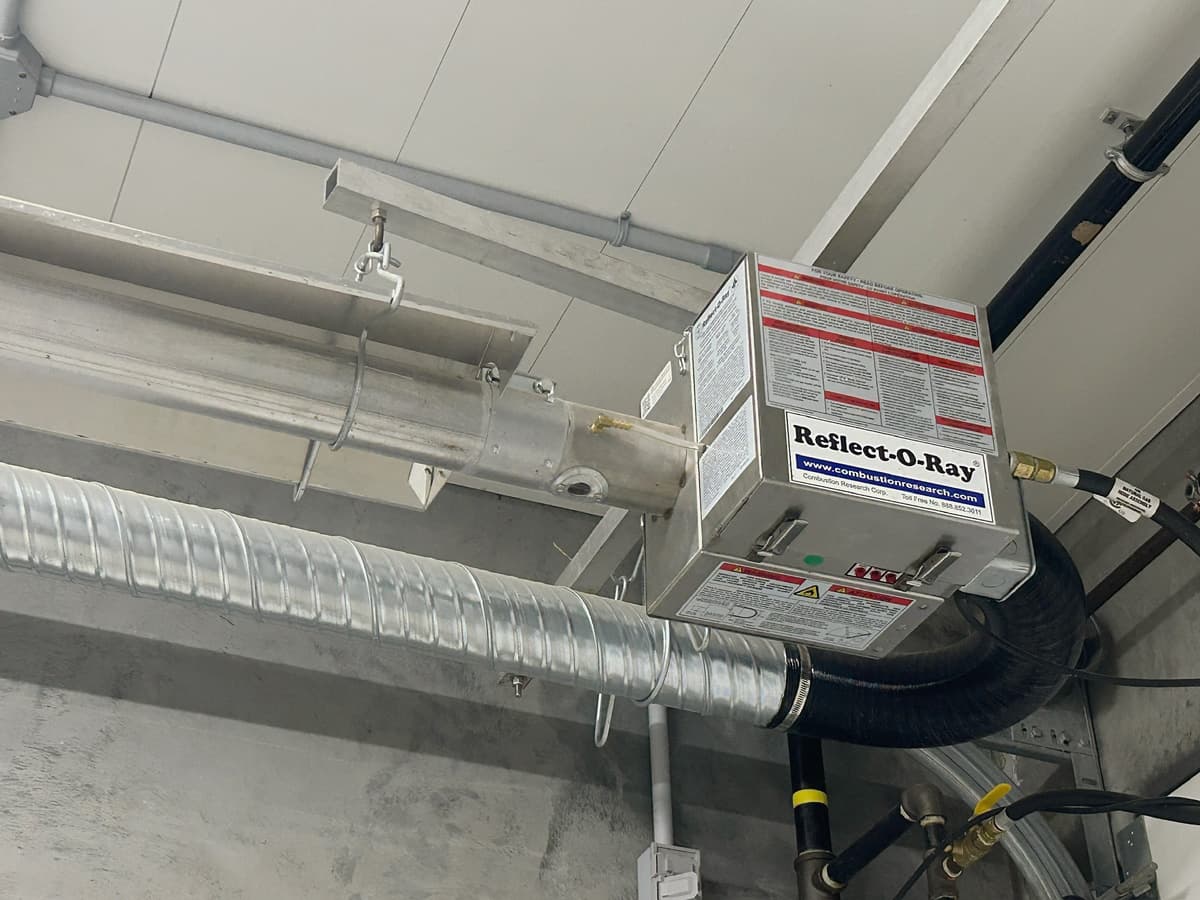
Reflect-O-Ray breaks this cycle. Infrared energy heats surfaces directly — walls, floors, the structure itself — raising the temperature of the building’s thermal mass above the dew point. When surfaces are warm, moisture can’t precipitate onto them. No condensation. No freeze-up at entry points. No fog.
❌ Air-Heating Approaches (Forced Air, Hot Water, Box Heaters, Underfloor)
💧
Heat the air, not the structure — warm air circulates toward cold perimeter surfaces and deposits moisture
💧
Ventilation openings, window frames, and door frames become condensation and freeze-up points in extreme cold
💧
Underfloor slab heating warms the floor well, but cold outside walls and roof structures remain — temperature gradients drive constant moisture migration
💧
Slow thermal response — underfloor and large hot water systems require pre-heating ahead of weather changes. In Western Canada, you don’t always get that warning.
💧
Wet bedding — condensation drips from surfaces onto straw, requiring daily changes and driving mastitis and hoof disease
💧
Fog in the barn — warm air meeting cold zones creates visible condensation. You literally can’t see your cows on cold mornings.
✅ Reflect-O-Ray Infrared Radiant
✓
Heats building mass, surfaces, and animals directly — like sunlight — raising the structure itself above the dew point
✓
Ventilation openings and windows stay clear — surfaces are warm enough that moisture cannot accumulate and freeze
✓
The entire building environment is charged with energy — walls, floor, and structure work together to stay dry from perimeter to centre
✓
Full radiant output in 3–6 minutes — responds to Prairie weather swings immediately, no pre-heating required
✓
Bedding stays dry — at Sandhills Colony, bedding changes went from daily to once per week, immediately after installation
✓
Zero fog — ventilation and infrared heat work in harmony. When the environment is balanced, ventilation can actually do its job.
System Behaviour
Set it. Forget it. Let the system manage the environment.
Western Canada weather doesn’t give you time to prepare. A warm afternoon can swing to -35°C overnight. How your heating system responds to that matters enormously.
⚡
3–6 Minute Response Time
Reflect-O-Ray reaches full radiant output in minutes. There’s no pre-heating required, no waiting for a slab to warm up, no managing thermal lag. The system responds to the thermostat and immediately begins charging the barn environment with energy.
🌡️
Charges the Mass — Doesn’t Flood It
Infrared energy deposits into the building’s thermal mass — concrete floors, walls, and structure absorb and hold warmth. The system tops this up as needed, maintaining the environment without overshooting. It runs to maintain balance, not to overpower the space.
🎯
Precision Environment Control
Because the system responds fast and heats mass efficiently, it cycles on and off to hold the exact environment you set. No swings. No cold spots. No foggy mornings. Producers describe the experience simply: set the temperature and walk away.
🌬️
Ventilation and Heat Work Together
In a Reflect-O-Ray barn, the heat allows the ventilation system to actually function properly — bringing in fresh air without fighting a losing battle against moisture and cold infiltration. Air circulation fans work in harmony with the heat, not against it.
What about overheating the cows?
This is a fair question. Reflect-O-Ray is low-intensity infrared — you feel warmth when the tubes are running, but it’s not intense like a direct heat source. Cows respond positively to it, becoming more comfortable and active, but the system is thermostatically managed. The goal is a balanced environment — warm enough to stay dry, not so warm that cows are stressed. Zero fog and dry bedding are the indicators that the environment is right.
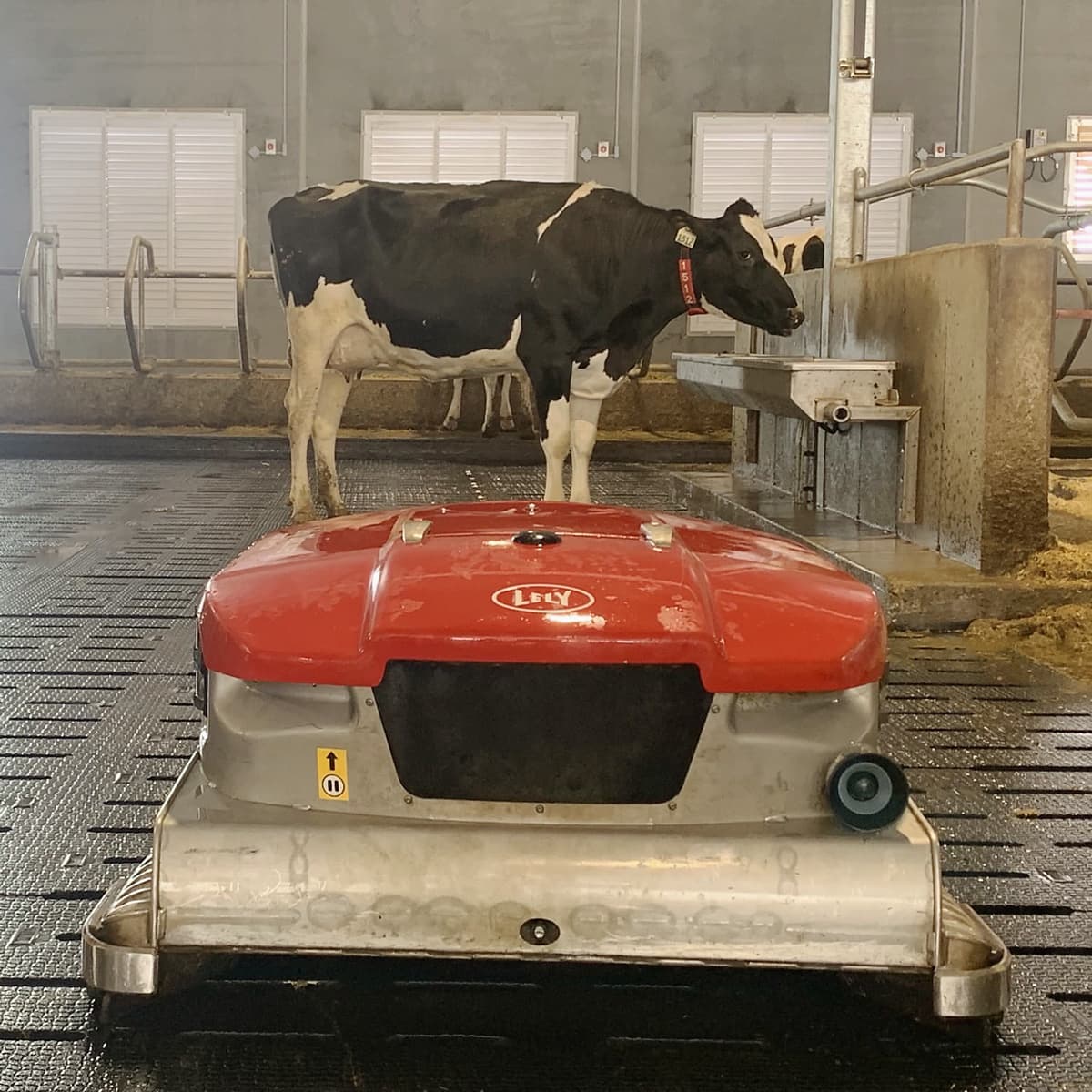
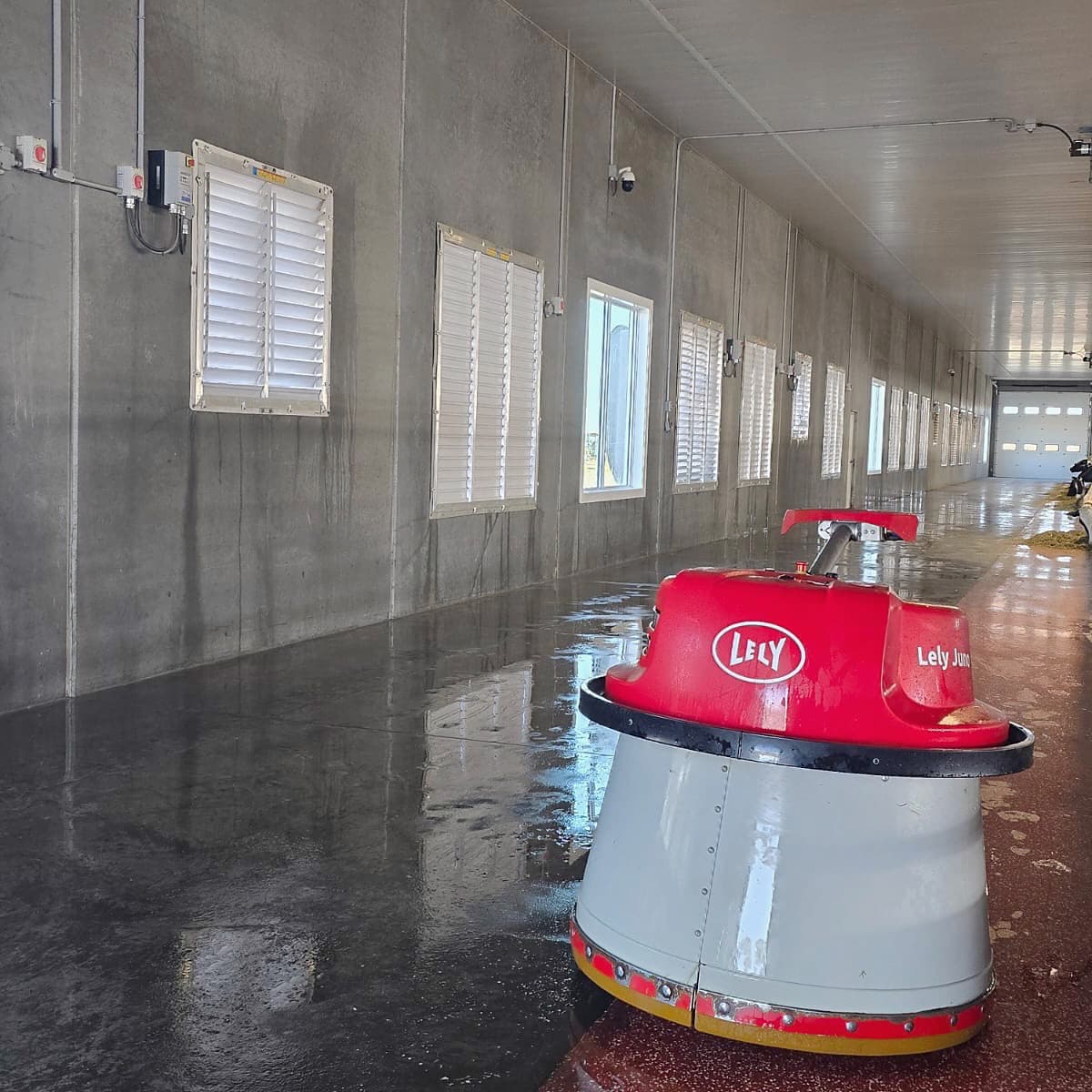
Wolf Creek Colony — Lely robotic scraper. You automated the milking. You automated the floor. Now automate the environment.
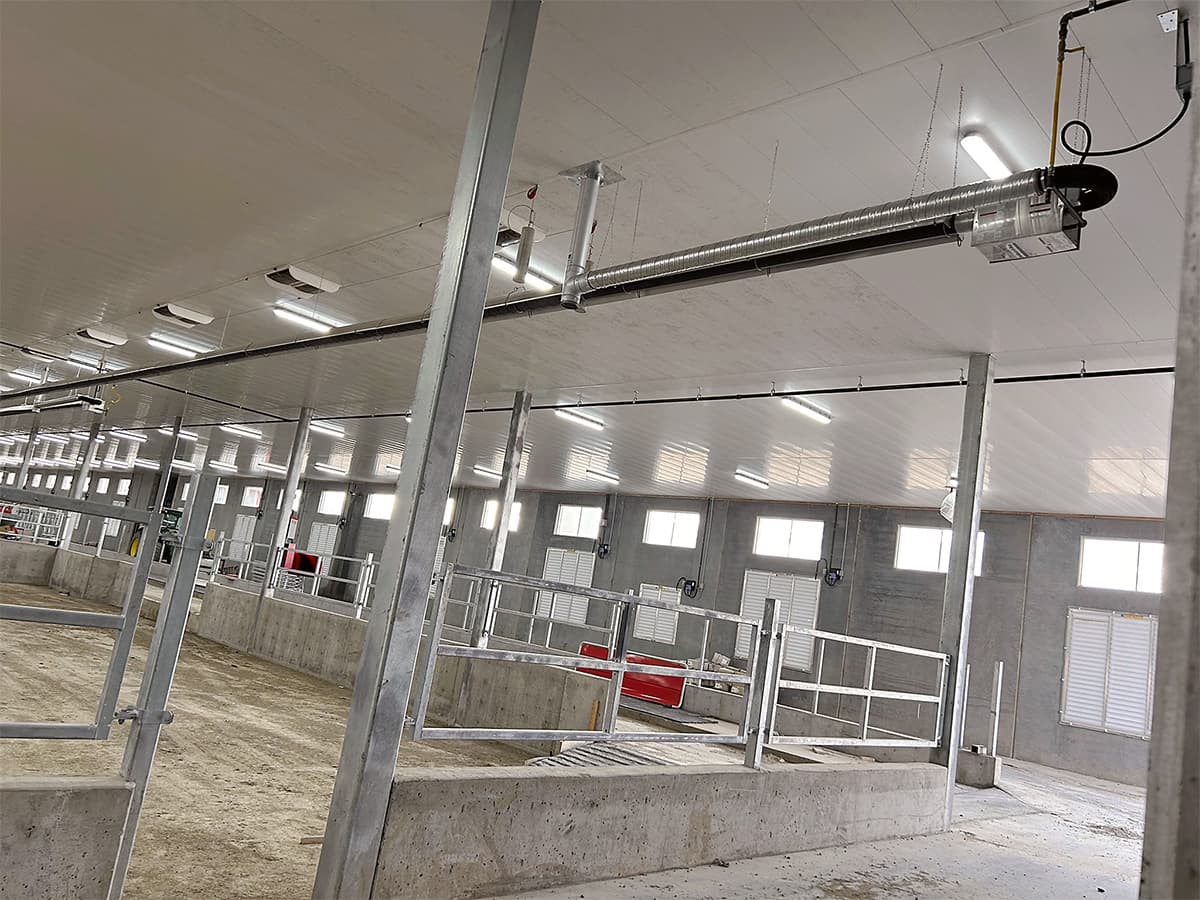
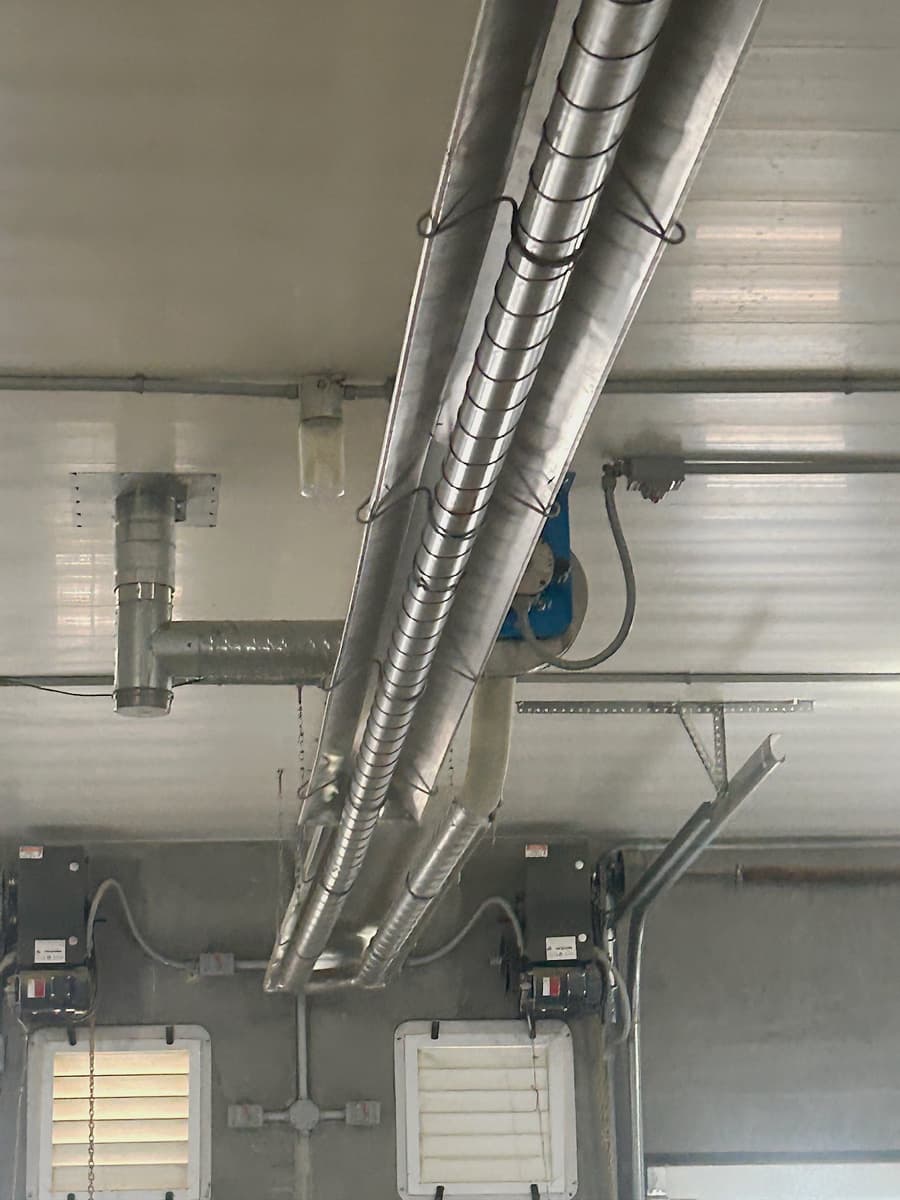
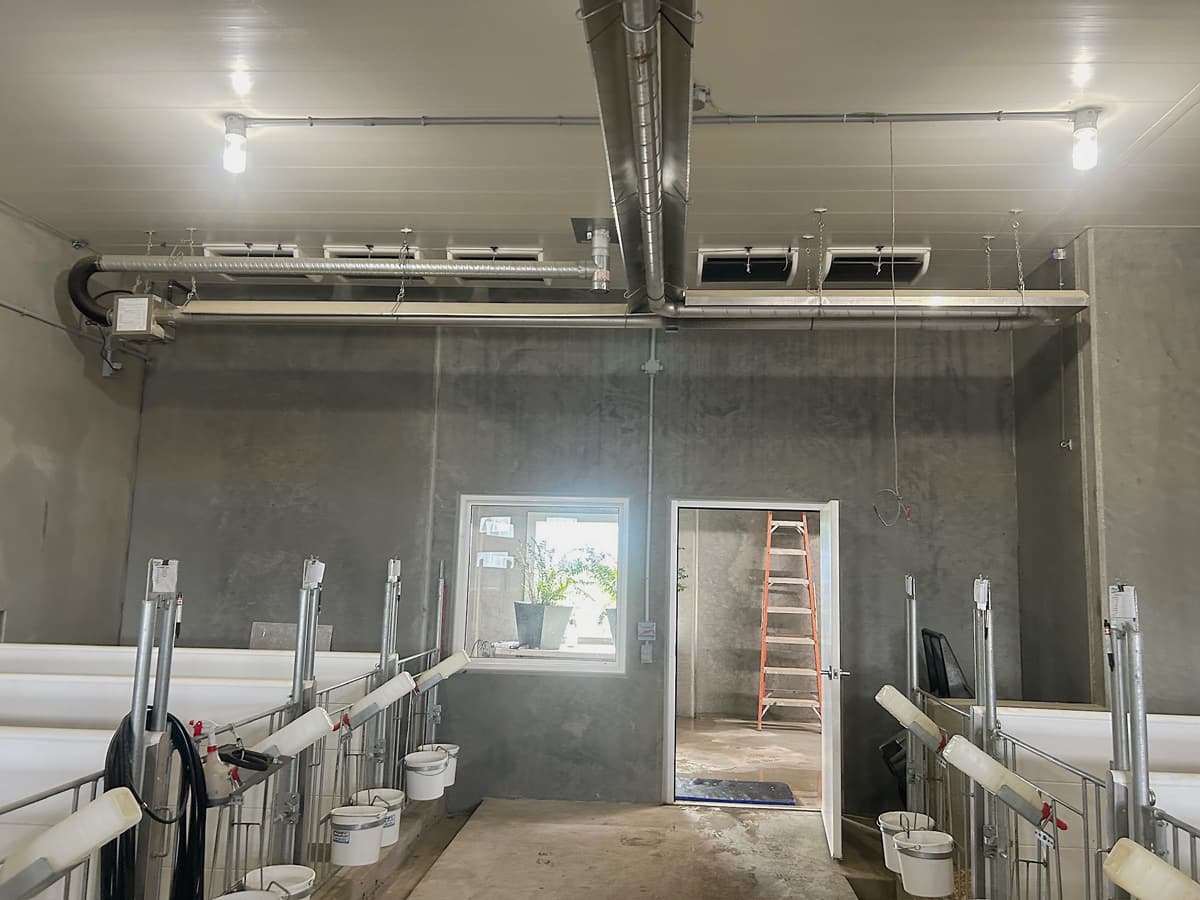
New Dale Colony — fresh install. Thermostat set. Done.
Thermostat-controlled. No babysitting.
Set your temperature. The system reads the barn and fires in 3–6 minutes when needed. On mild days it barely runs. On -40°C days it holds the environment steady.
Real Barn Walkthroughs
See it with your own eyes — Wolf Creek Colony Dairy
The crew at Wolf Creek Colony walks you through their dairy barn. These aren’t testimonials. This is their barn, their cows, their environment. Watch what a dry, fog-free dairy barn actually looks like in a Western Canada winter.
✅ Real colony installs✅ No scripted testimonials✅ Filmed in actual winter conditions✅ Western Canada barns
Wolf Creek Colony – Dairy BarnFull walkthrough, winter conditions 2024/2025
Wolf Creek Colony – Calf BarnInside the calf barn at Wolf Creek Colony
Willow Creek Colony – Dairy Cow BarnReflect-O-Ray still performing after 30 years
Photo Gallery
From the barn floor — real operations, real conditions.
Photos courtesy of Wolf Creek Colony. More being added shortly.
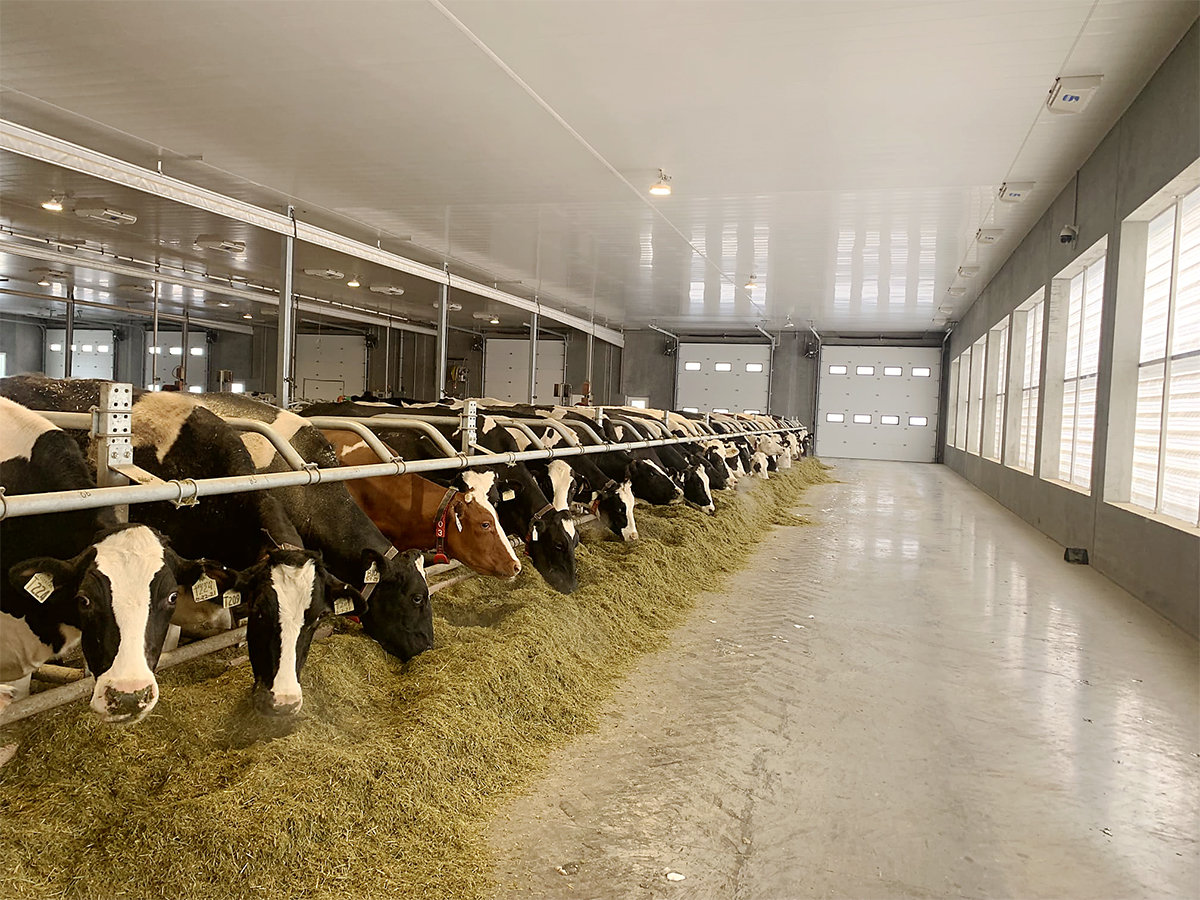
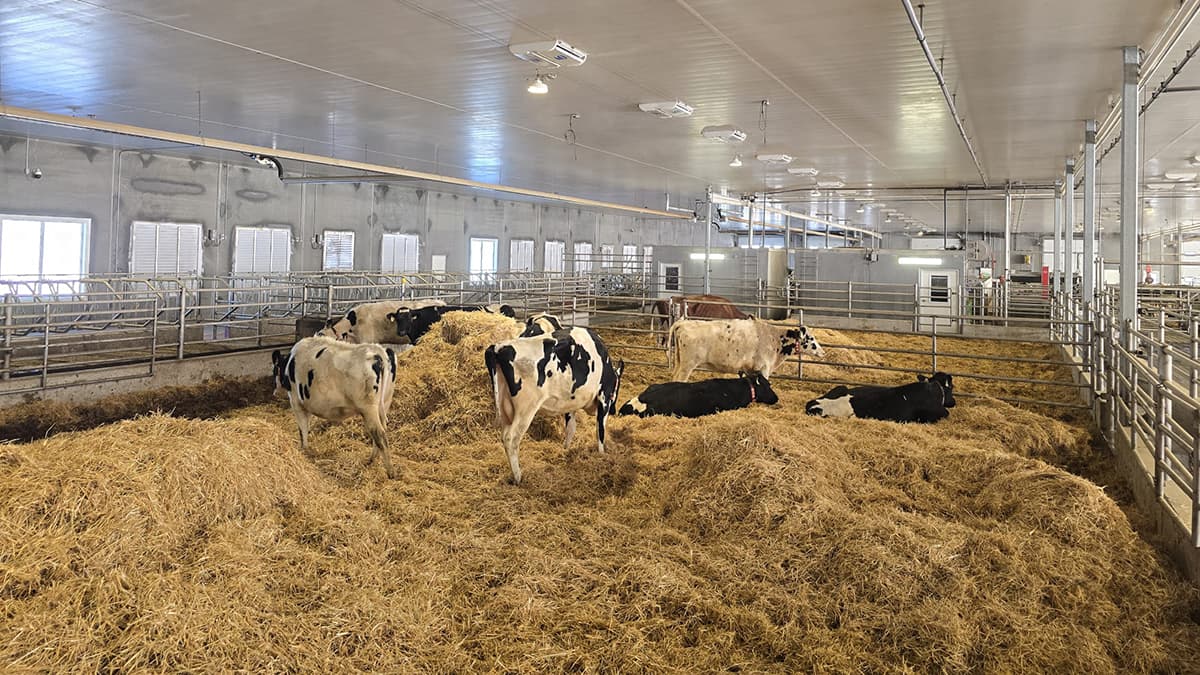
Wolf Creek Colony — freestall barn interior, winter 2025. Dry bedding, no fog, clean ceiling.
“`
Sandhills Colony — Measured Results
More milk. Less bedding. Less feed. A completely different environment.
One dairy barn. One installation. These are their actual numbers — measured before and after.
38 → 41
kg milk per cow
Sandhills Colony
240k → 140k
Somatic cell count
Udder health & milk quality
Daily → Weekly
Bedding changes
Dry straw stays dry
30%
Less feed waste
Cows not burning feed to stay warm
“`
“The fog was so bad on cold days… we couldn’t even see the cows. Now there’s zero fog in the barn.”
— Sandhills Colony, Western Canada
“
We recently put up a Reflect-O-Ray heater in our dairy barn. The last month has been really, really cold (−40°C) with the wind. We find that since we installed the heater, the cows are way more comfortable, and they are pumping out more milk — going from 38 kg per cow up to 41 kg per cow.
Sandhills ColonyWestern Canada
“
One of the biggest benefits we’ve seen is a dramatic drop in somatic cell count — from over 240,000 down to a normal 140,000. Keeping the barn warm and dry has made a noticeable difference in udder health and milk quality.
The fog was so bad on cold days that we couldn’t even see the cows. Now, there’s zero fog in the barn.
Sandhills ColonyWestern Canada
“
Not only that, but there is no more condensation in the barn. The straw and shavings stay dry. Before installing Reflect-O-Ray, we had to put down new straw every day because it would get so wet from condensation. Now, we only have to bed the cows once a week.
Additionally, with consistent heat, the cows are eating the same amount of feed as before. Before Reflect-O-Ray, we had to put down 30% more feed just because the barn was so cold and they needed extra energy. Now, we are saving on both feed and bedding costs, and the cows are happier and milking more. It’s a no-brainer.
Sandhills ColonyReflect-O-Ray 6″ Radiant System
Sandhills Colony — Hear It From Them
Sandhills Colony — Dairy BarnHear it from them. Better winter milk production with Reflect-O-Ray.
What a Wet Barn Actually Costs You
It’s not just uncomfortable. It’s costing you every single day.
A wet, cold barn isn’t just an inconvenience — it’s a cascade of ongoing costs that most producers have accepted as normal. They aren’t.
🐄
Mastitis & Hoof Disease
Wet bedding is the #1 environmental driver of mastitis and digital dermatitis. Every soggy straw change is another day of elevated infection risk. A dry barn doesn’t just help — it fundamentally changes the disease equation.
🌫️
Fog, Condensation & Rust
When you can’t see your cows through the morning fog, that moisture is depositing on every steel surface — trusses, hardware, gutters, equipment. Rust doesn’t show itself until the damage is done.
💸
Feed, Bedding & Labour
Cows burning 30% more feed just to stay warm. Daily bedding changes instead of weekly. Vet calls that didn’t need to happen. These aren’t extraordinary costs — they’re what wet, cold barns generate routinely.
🐮
Reduced Milk Quality & Output
Elevated somatic cell counts mean lower milk grades and potential penalties. Cold stress diverts energy away from production. A controlled environment directly supports what your operation is built around.
🏗️
Barn Deterioration
You built a $2–5M facility. Chronic moisture is accelerating corrosion on steel, freeze-thaw damage on concrete, and deterioration of every component inside. The barn that stays dry lasts significantly longer.
🌬️
Ventilation That Can’t Work
In a wet barn, every fresh air intake is a source of new condensation problems. Ventilation and moisture fight each other constantly. In a controlled environment, ventilation and heat work together — and both do their jobs properly.
Calf Barn Environment
Happy calves aren’t fighting to stay warm.
Calves are far more vulnerable to cold and moisture than adult cows. A calf in a controlled environment isn’t spending energy on thermoregulation — it’s spending it on growth, immune function, and development.
In a wet, cold calf barn, what you see is calves huddled and trying to stay warm, listless, susceptible to respiratory illness, burning energy just to maintain body temperature instead of growing. In a properly controlled environment, the contrast is immediate — calves are active, curious, and alert. They’re jumping around. They’re not spending their first weeks trying to survive. They’re thriving.
The air quality difference matters too. Box heaters and forced air in a closed calf space push warm air through ammonia-laden, bacteria-rich fog. Calves breathe that in from their first days. A dry environment with proper ventilation in harmony with the heat system produces measurably cleaner air.
January 2024 brought record-breaking cold to southern Alberta — and Wolf Creek Colony’s operation provided an unplanned side-by-side comparison. The calving room running Reflect-O-Ray came through without issue: ventilation clear, bedding dry, no freeze-up at entry points. Other rooms in the same facility, heated differently, didn’t have the same experience.
That winter was the turning point. The main barn was upgraded to Reflect-O-Ray, and through every cold snap since — 2025 and into 2026 — the result has been consistent. Windows clear. Environment stable. No intervention needed.
Southern Alberta recorded lows approaching -40°C that January, with Cardston-area communities setting new daily records.
Willow Creek Colony — Dairy Calf BarnDry environment, preserved structure — 30 years on
A Wolf Creek Colony contributor posted this straight from their own calf barn. Their photos, their words, nothing scripted. Every install has a page like it.
Few pics from the calf barn.. the reflect o ray keeps the heat right down where the calves lay, so the bedding stays warm and dry all winter. Even after the doors have been open a while it bounces back quick. Real happy with how its working
Dairy producers and their families spend their careers in these barns. The environment you work in every day has long-term implications that are worth thinking about.
🫁 What a wet, cold barn puts in the air
High humidity breeds ammonia buildup from manure — a respiratory irritant with real health implications over years of exposure. Fog and condensation carry airborne bacteria, fungal spores, and moisture particles. In poorly ventilated cold barns, these concentrate. That’s what gets breathed in every morning.
A dry, balanced barn environment isn’t just healthier for your herd. It’s healthier for everyone who works in it, every day. Cleaner air. Less fog. Lower ammonia. These aren’t abstract benefits — they’re the direct result of controlling the environment properly.
How Reflect-O-Ray Works
Infrared heating — the way the sun heats.
The sun doesn’t heat the air first. It heats what it touches — ground, buildings, animals, people. Reflect-O-Ray works the same way: energy transferred directly to surfaces, not cycled through the air.
☀️
Surface-First Heating
Infrared waves transfer energy directly to surfaces — floors, walls, structure, animals — warming the air as a result of a warm barn, not the other way around.
🌡️
Mass Above Dew Point
When surfaces stay warm, they never reach the dew point. Condensation physically cannot form — which is why Reflect-O-Ray barns stay dry.
⚡
22-Gauge Aluminized Steel
Higher emissivity, lower mass = faster heat-up (3–6 min), better fuel efficiency — up to 30–50% more efficient than conventional radiant systems.
🎯
Designed for Your Barn
Every layout is engineered specifically for your dimensions, livestock density, and climate. No template systems — each installation is calculated for the environment it needs to create.
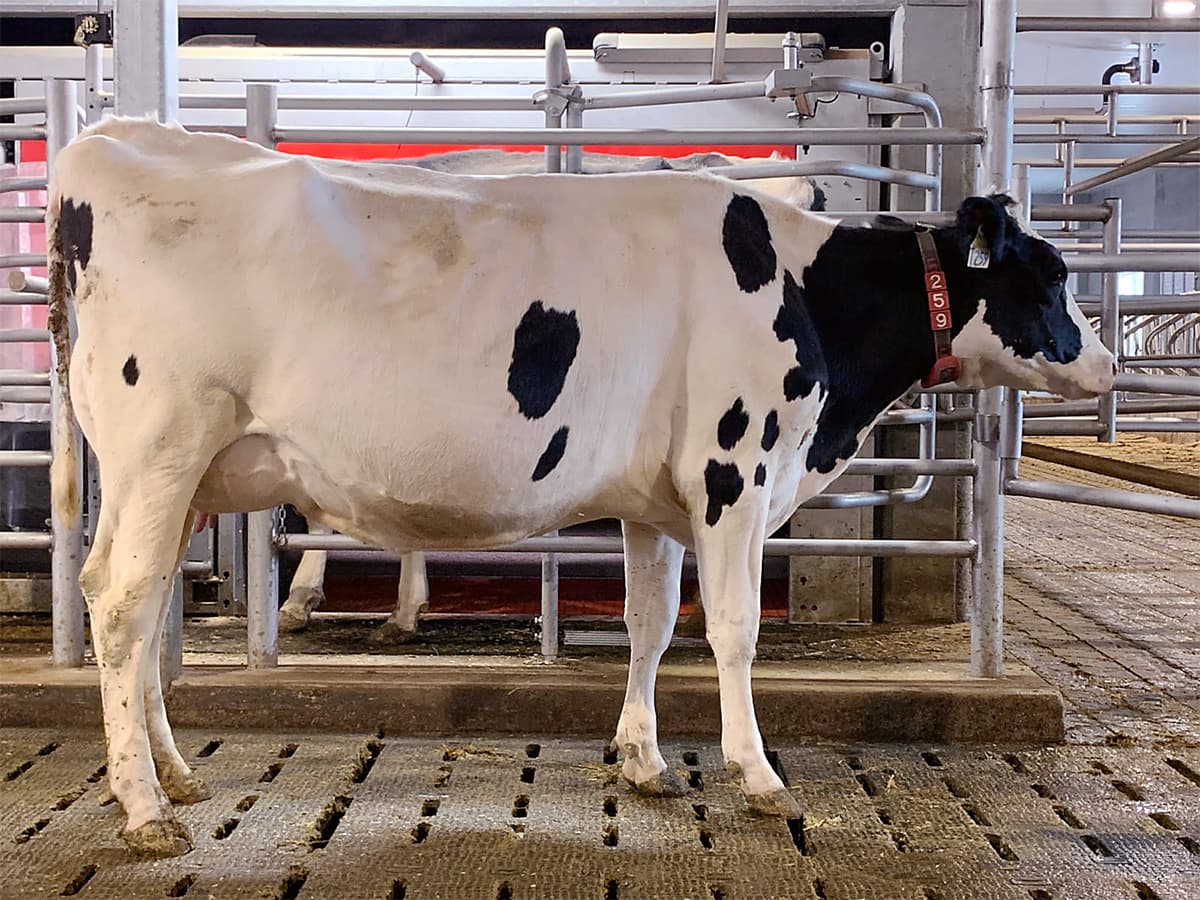
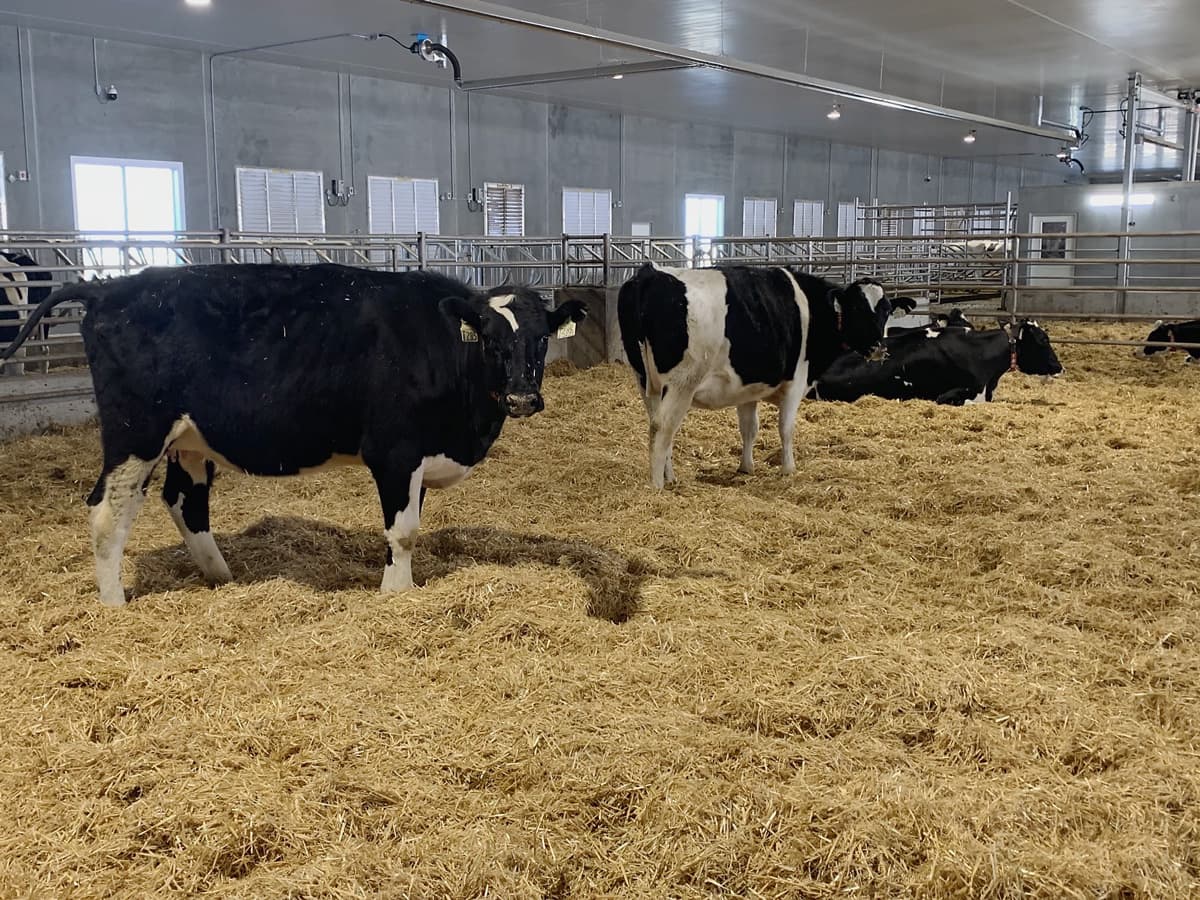
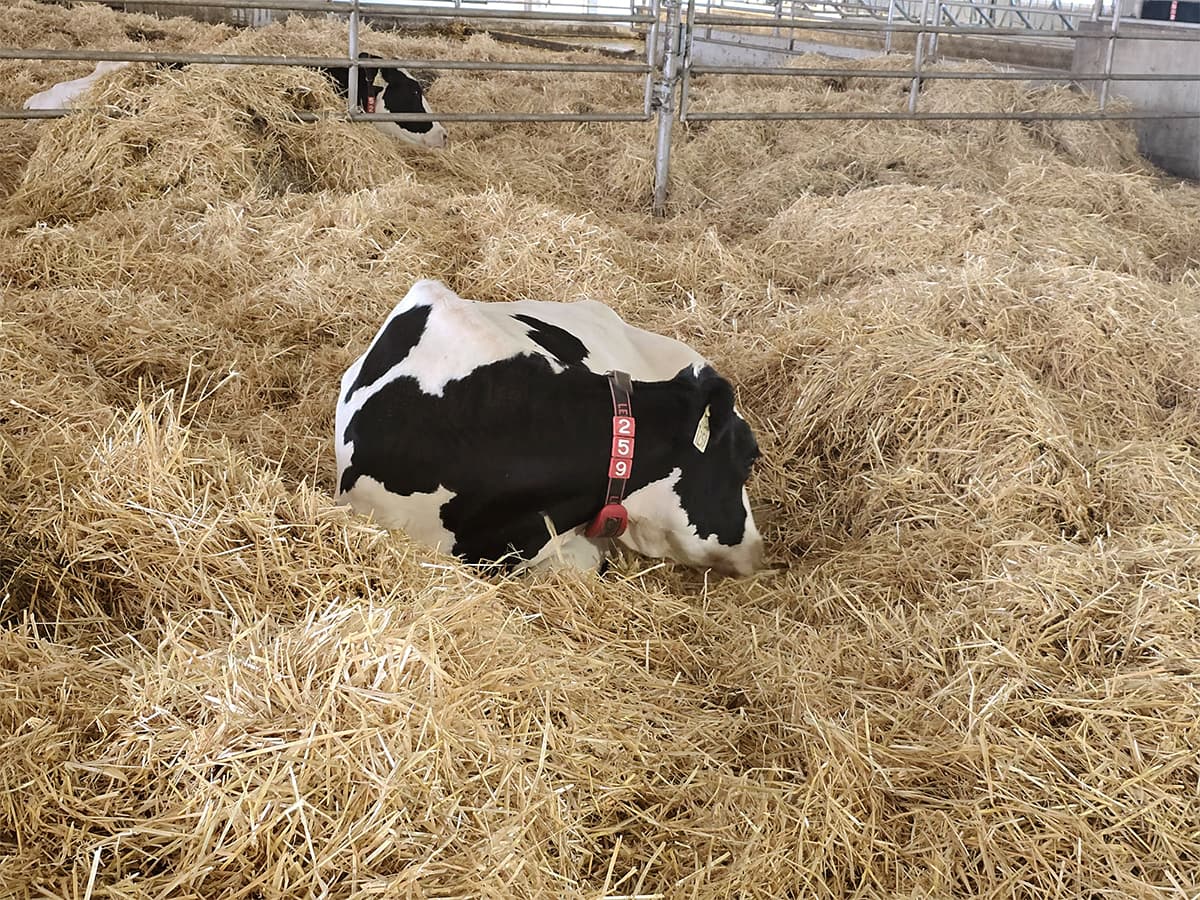
Wolf Creek Colony — cow at rest in dry bedding
Common Questions
What producers ask us.
Do dairy cows actually need heat?
Cows can survive without supplemental heating — their bodies generate substantial heat. But survival and peak production are two different things. Cold-stressed cows divert energy from milk to body temperature. More importantly, the barn environment itself suffers — condensation, fog, wet bedding, and moisture damage are all cold-barn problems that a controlled environment solves directly.
Won’t radiant heating overheat the cows?
This is the most common question and it’s a fair one. Reflect-O-Ray operates at low intensity — you feel the warmth when tubes are running, but it’s comparable to sunlight, not a direct heat source. The system is thermostatically controlled to maintain a set environment, not to push extreme temperatures. Cows in Reflect-O-Ray barns are comfortable and active — and the fact that milk production goes up (not down) tells the real story. A dry, balanced environment is what the system creates. Overheating isn’t the risk. The risk is under-controlling moisture.
We have hot water ceiling-mounted tubing or fins and notice our barn is filled with moisture. Why?
This is a very common issue. What you usually see is hot water tubing or fin systems mounted in the ceiling, and those systems mainly heat the air, not the building mass. That warm, moisture-laden air moves through the barn until it contacts colder surfaces like outside walls, window frames, ventilation openings, roof structure, and entry points. When it hits those colder surfaces, moisture drops out of the air as condensation. In extreme cold, that is exactly where freeze-up starts. Even if some perimeter slab heat helps in certain areas, it still does not solve the full building-envelope problem. Reflect-O-Ray changes that by heating the surfaces themselves — not just the air — so the walls, structure, and other cold spots are brought above the dew point. That is how you stop fighting constant moisture and start controlling the full barn environment.
What about extreme cold snaps?
January 2024 brought southern Alberta some of its coldest temperatures in years — approaching -40°C, with Cardston-area communities setting new daily records. That winter, one operation in the area had a direct comparison play out under the same roof: the space running Reflect-O-Ray held. Ventilation stayed clear, bedding stayed dry, no freeze-up. Other areas of the same facility, heated differently, had a harder time. The main barn was upgraded to Reflect-O-Ray in the spring of 2024. Through every cold snap since — 2025 and into 2026 — there have been no issues. The system doesn’t need to run constantly. The environment simply holds.
How quickly does it pay for itself?
The math works from multiple directions. First, the upfront cost: Reflect-O-Ray installation is generally lower than hot water-based heating systems, so you’re starting from a better position before the first season even begins. Then the ongoing savings — less bedding, less feed waste, and improved milk quality from day one. At Sandhills Colony, milk increased by 3 kg per cow, somatic cell counts dropped by 100,000 units, and bedding went from daily to weekly. These are recurring monthly savings, every winter. Add 30–50% better fuel efficiency versus conventional radiant systems, and payback comes faster than most expect — with savings that compound year after year.
Trusted by Colonies Across Western Canada
Your neighbours have made the switch. Ask them.
The best reference is a producer running the same kind of operation you are. We encourage you to reach out directly.
Wolf Creek Colony
Dairy & Calves
Sandhills Colony
Dairy
New Dale Colony
Dairy & Calves
Clearlake Colony
Calves
Oaklane Colony
Calves
Ribstone Colony
Calving
Willow Creek Colony
Dairy
Hartland MT
Calves
Rockport Colony
Dairy & Calves
East Cardston Colony
Dairy
Let’s look at your barn.
A free dairy barn review — no pressure, no obligation. Just an honest conversation about what your barn environment is costing you and what’s possible.