Quicker. Faster. Further. Stronger. Safer.

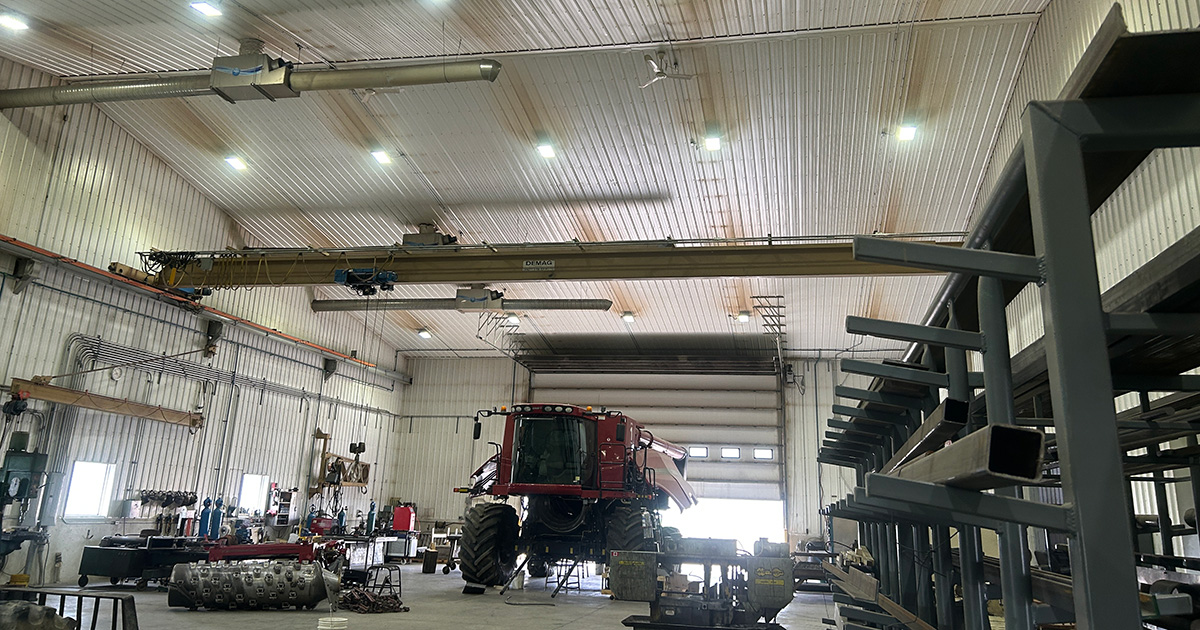
Interior of Keho Farms shop showing a 120-foot Reflect-O-Ray infrared radiant tube heating system running the full length of the ceiling

Two heaters can both be called “radiant” and behave nothing alike. Reflect-O-Ray’s low-mass aluminized spiral tubing changes five specific things about how a radiant tube system performs in a working building — and these are the engineering choices that make those changes possible.

Let There Be Light

Sun rising over a golden wheat field, casting warm light across the standing grain — the same warming infrared that radiant tube heaters bring indoors.

Infrared is the warming part of sunlight — invisible light that travels through cold air without warming it, then sinks into solid surfaces and heats them directly. A Reflect-O-Ray tube heater puts out the same warming part of sunlight, with the visible glare and the UV stripped out.

The Grime Line Time-Line

Dirty workshop ceiling showing condensation staining and grime buildup from underfloor heating with cold structural surfaces.

Underfloor heating in a tall shop deposits moisture wherever surfaces sit below the dew point. After a decade that grime line is visible from across the room — and the LED retrofit didn’t cause it. It just stopped hiding it.

How Heat Actually Moves

A plain-talk explainer. Same fuel. Same energy. Two completely different barns. The difference isn’t in the equipment specs — it’s in the physics of how heat is delivered.

The Hidden Temperature in Your Shop

A thermostat measures air. It tells you nothing about your walls, your doors, or your equipment. Real data from two Western Canadian shops at −35°C shows exactly how different those numbers can be.