
Reflect-O-Ray Infrared Radiant Heating vs. Underfloor / Unit Heaters
Discover why Reflect-O-Ray is the smart choice for heating your shop, offering rapid response, energy efficiency, and even heat compared to other systems.
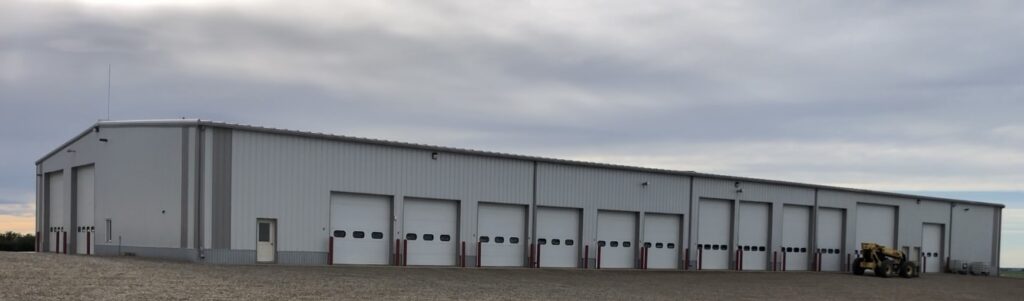
When it comes to heating a shop, truck bay, or barn, there are three common approaches: underfloor hot water systems, forced-air unit heaters, and low-intensity infrared radiant tube systems. They may all use gas, pumps, or blowers, but they do not heat the building the same way.
Reflect-O-Ray® infrared vacuum-vented systems work with the physics of large spaces by activating the mass of the building — walls, doors, equipment, and floor — instead of relying on warm air alone. That difference is what delivers fast recovery, even temperatures, and stable comfort in real-world shops with big doors and constant traffic.
For the deeper technical breakdown, see:
- Underfloor Heating — The Uncomfortable Truth
- Runtime Efficiency and Mass Activation in Reflect-O-Ray Low-Intensity Infrared Systems
This article keeps it practical: a quick, real-world comparison of Reflect-O-Ray vs. underfloor and unit heaters.
Reflect-O-Ray® infrared tube heating responds quickly because it is not waiting for a slab or a roomful of air to warm up. The system delivers radiant energy directly to people, vehicles, floors, and tools. In shops where doors open frequently, heat recovery is felt within minutes, not hours, and the working plane stays comfortable even when the thermostat is set lower.
Traditional systems pour energy into the air. When a large overhead door opens, that warm air leaves the building and must be replaced from scratch. Reflect-O-Ray® stores heat in the mass of the structure — concrete, steel, walls, and equipment. When doors open, you lose some air temperature, but the building itself stays warm and quickly restores comfort with much shorter burner cycles.
Reflect-O-Ray® systems are designed to put heat where the work happens. Radiant patterns can be concentrated at exterior doors, wash bays, and work stations, while softened near office areas or storage zones. Underfloor heat and unit heaters treat the building as one large zone; Reflect-O-Ray lets you target specific areas without overheating the entire space.
Combustion efficiency numbers tell you how cleanly gas burns, not how a building behaves. Real-world efficiency is runtime. Because Reflect-O-Ray® activates building mass, it runs shorter cycles and spends more time idling while the structure returns heat to the space. Underfloor systems and unit heaters must run longer to rebuild warmth every time the building loses temperature, especially after door events or weather swings.
Radiant heat feels different. Instead of blowing warm air past people and hoping it piles up near the floor, Reflect-O-Ray® allows the entire envelope — floor, walls, doors, and equipment — to settle into a comfortable band of temperatures. Workers feel warm even at lower thermostat settings because the surfaces around them are not cold sinks pulling heat out of their bodies.
Reflect-O-Ray® systems are suspended from the ceiling, out of the way of vehicles and equipment, and can be patterned to suit almost any layout: industrial shops, truck washes, equipment bays, warehouses, barns, and specialty facilities. Optional stainless-steel components and vacuum-vented multi-burner layouts make the system suitable for high-humidity, high-duty applications where conventional equipment struggles.

REFLECT-O-RAY: THE SMART CHOICE
For high-traffic shops, truck bays, and agricultural buildings, Reflect-O-Ray® infrared tube heating lines up with the physics of how large spaces actually gain and lose heat. Instead of fighting cold walls and doors with overheated air, it activates the building itself so that mass stores, shares, and returns heat with far less runtime.
| Feature | Underfloor Hot Water Heating / Unit Heaters | Reflect-O-Ray® Infrared Heating |
|---|---|---|
| Speed | Slow response. Slabs and room air must be brought up to temperature before comfort is felt. | Fast response. Radiant energy warms people, vehicles, and surfaces directly within minutes of startup. |
| Heat Recovery | Heat is stored mainly in the floor and air. When doors open, warm air escapes and long runtimes are needed to rebuild temperature. | Heat is stored in the mass of the building — concrete, steel, walls, and equipment — so the structure quickly restores comfort after door events. |
| Temperature Evenness | Warm floor, cooler walls and overhead doors. Cold structural surfaces continue to pull heat out of the space. | Properly engineered designs deliver very even floor-to-ceiling and wall-to-wall temperatures, with fewer cold corners and sweating doors. |
| Comfort | Often requires higher room temperature settings to feel warm at worker level. Air can feel stuffy while walls still feel cool. | Lower thermostat settings still feel comfortable because surrounding surfaces are warm and no longer act as cold sinks. |
| Weather Adaptability | Slow to react to sudden weather changes. Systems are often left running through mild spells to avoid long recovery times, increasing fuel use. | Quick to adapt. Temperature can be set back overnight or during warm periods and brought back up rapidly when needed. |
CONCLUSION
If your building has big doors, high traffic, humidity, or demanding working conditions, the way heat moves through mass matters more than any brochure number. Underfloor systems and unit heaters focus on air; Reflect-O-Ray® focuses on the building itself. That is why it recovers faster, runs shorter, and maintains comfort more naturally.
For shop owners and producers who want stable comfort, drier walls and doors, and less time listening to burners run, Reflect-O-Ray® infrared radiant heating is simply the smarter way to heat a large space.
Related articles from the same lane.
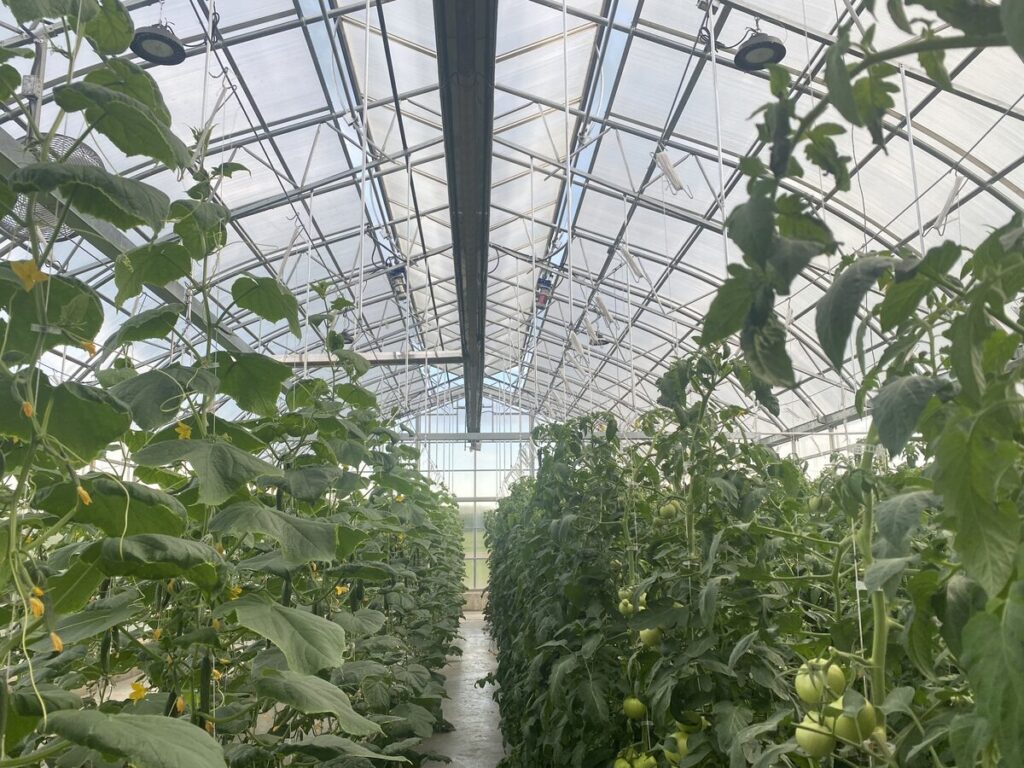
Reflect-O-Ray Radiant Heat in a Commercial Greenhouse
Side-by-side field observations from a working greenhouse: floor temperatures, root-zone temperatures, slab conduction, and what Reflect-O-Ray's flattened tube profile did for plant response over...
Read article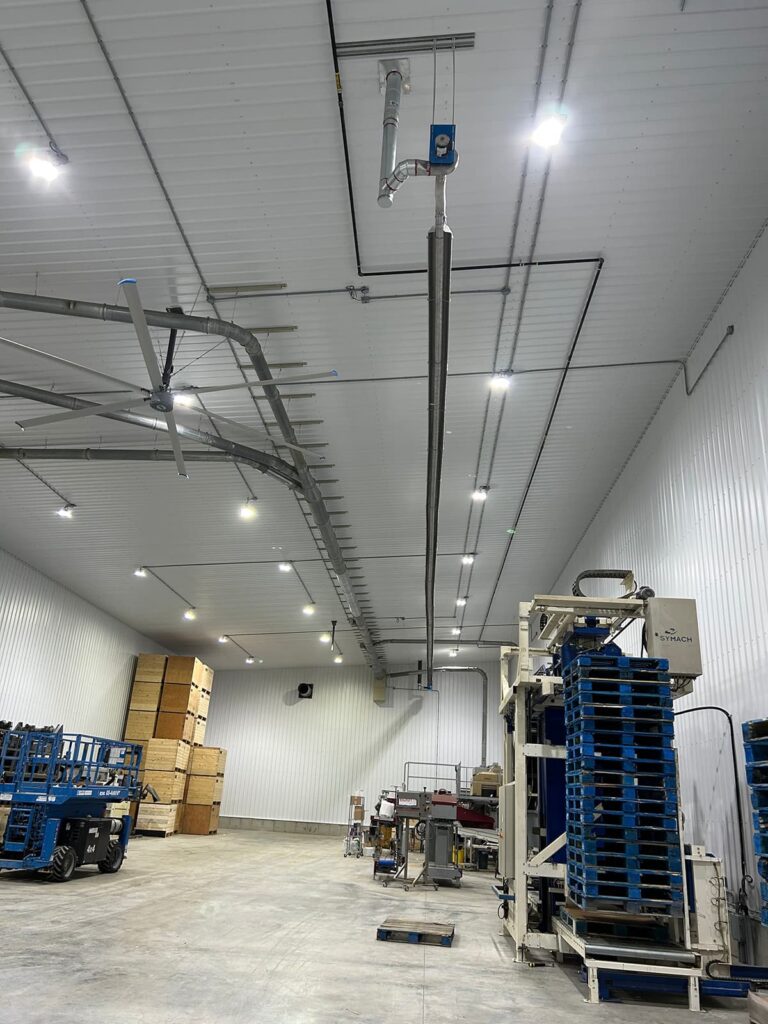
Quicker. Faster. Further. Stronger. Safer.
Two heaters can both be called "radiant" and behave nothing alike. Reflect-O-Ray's low-mass aluminized spiral tubing changes five specific things about how a radiant...
Read article
Let There Be Light
Infrared is the warming part of sunlight — invisible light that travels through cold air without warming it, then sinks into solid surfaces and...
Read article