
Half the Gas, Same Barn
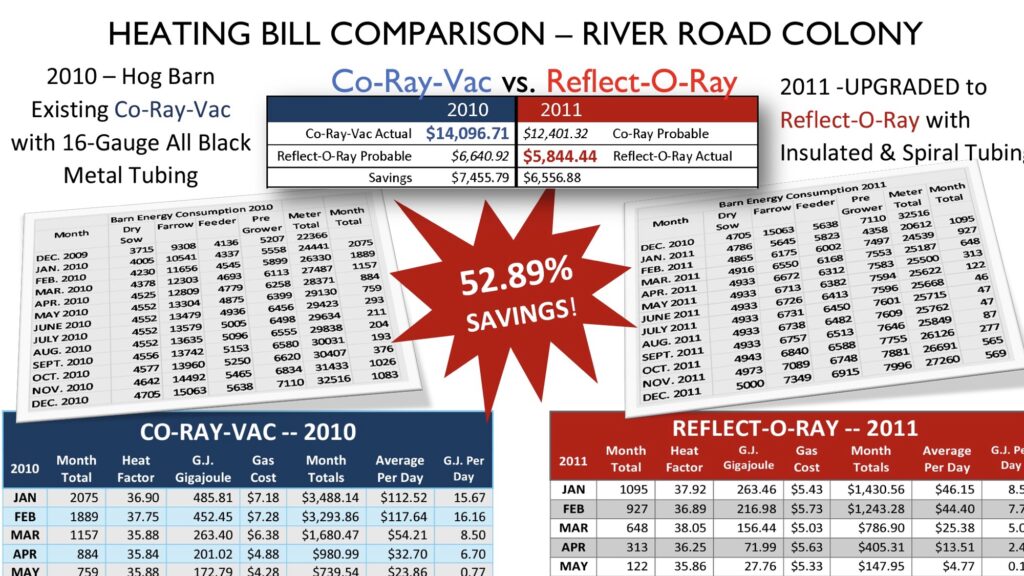
In 2010, River Road Colony's hog barn ran on Co-Ray-Vac and burned 4,096 in natural gas. After switching to Reflect-O-Ray, the same barn — under virtually identical winter conditions — cost ,844 to heat. A 52.89% fuel cost reduction, holding everything else constant.
Half the Gas, Same Barn
In 2010, River Road Colony’s hog barn ran on Co-Ray-Vac and burned $14,096 in natural gas. They swapped to Reflect-O-Ray at the end of that year. In 2011, with virtually identical weather (heat factor 36.10 vs 36.12), the same barn cost $5,844 to heat. Holding gas price constant, that’s a 52.89% reduction in fuel cost from a single-system swap. The mechanism: Reflect-O-Ray’s patented spiral combustion section converts more of each cubic foot of gas into radiant heat at the floor instead of letting it escape up the exhauster.
River Road Colony swapped their hog barn heating from Co-Ray-Vac to Reflect-O-Ray at the end of 2010. The following year — with virtually identical outdoor temperatures — their gas bill dropped from $14,096 to $5,844. That’s a 52.89% reduction in fuel cost on the same barn, same operation, same weather. The only thing that changed was the infrared tube heater on the rails.
This article is the case study, the methodology, and the physics behind why one infrared system used half the gas of the other to do the same job.
Inside the tubes.
Co-Ray-Vac and Reflect-O-Ray are both vacuum-style low-intensity infrared tube heaters. Both burn natural gas. Both radiate IR heat downward to warm floors, walls, and animals directly. From across a barn they look similar. The difference is in the tube design.
Reflect-O-Ray’s distinctive feature is a patented spiral combustion section made of 22-gauge aluminized steel alloy, positioned right at the burner end of the heater. The spiral geometry packs significantly more radiant surface area into the zone where the combustion gases are hottest. More surface area at peak heat means more of each cubic foot of gas converted to IR radiation aimed at the floor, walls, and animals — and less heat going out the exhaust as waste.
The thinner-gauge aluminized tube also has a second effect: the heater warms up faster on every thermostat call. Across thousands of cycles per heating season, the time saved during ramp-up adds up.
The result, in barn-level terms, is more usable heat per unit of fuel.
Heat factor normalization.
Year-over-year energy comparisons are useless if the weather isn’t comparable. A cold winter uses more gas regardless of which heater is installed. To isolate the system’s contribution, River Road’s electrician built the comparison around heat factor — a normalized measure of how much heating demand the weather created over each billing period.
36.12
2010 Heat Factor
36.10
2011 Heat Factor
Effectively identical. Whatever savings appeared in the 2011 numbers came from the heating system, not from a milder winter.
Same barn, two years.
2010 — Co-Ray-Vac.
- Gas consumed: 2,353.19 GJ
- Total cost: $14,096.71
2011 — Reflect-O-Ray.
- Gas consumed: 1,108.67 GJ
- Total cost: $5,844.44
Raw fuel reduction year-over-year: 53.0%.
Apples to apples.
The 2011 dollar savings reflect both lower fuel use and a lower gas price that year. To isolate the heating system’s contribution from the price drop, the study applied the 2010 gas price of $5.99/GJ to the 2011 consumption figure:
- Probable 2010 cost with Reflect-O-Ray: $6,640.93
- Savings vs. actual 2010 cost: $7,455.78 — a 52.89% reduction
What pigs actually need.
Pigs don’t care about heat factors. They care about whether the floor is warm and dry, whether the room temperature is stable, and whether there are cold spots pulling heat off their bodies. A heating system that loses a large share of its fuel through the exhaust isn’t just expensive — it’s also delivering less radiant heat to the floor and the animals, which means:
- Wetter floors, because slab and bedding don’t stay warm enough to evaporate moisture
- More feed energy spent on body-heat maintenance instead of growth
- Higher humidity, more ammonia retention, more respiratory stress
- Less stable room temperature as the system fights to hold setpoint
Reflect-O-Ray’s higher radiant efficiency keeps the floor, walls, and animal mass warm enough that the room stays dry and stable on the same thermostat call.
In conversation with Jake.
In 2015 we sat down with Jake, River Road Colony’s barn manager for nearly forty years before his retirement, to ask about the system’s performance across both their shops and their barns.
What changes when the tube changes.
River Road Colony cut their hog barn heating bill in half on identical weather, with no other operational changes, by replacing one infrared tube heater with another. That’s a 52.89% fuel cost reduction holding everything else constant.
The mechanism is straightforward: more radiant surface area at the hottest point of the burner means more of each cubic foot of gas ends up as heat on the floor, the walls, and the animals — not as wasted exhaust climbing the stack.
For any agricultural or industrial operation running an older infrared tube system, the question worth asking is how much of your fuel bill is leaving the building through the exhauster instead of warming the room.
Same weather.
Half the gas.
The variable that changed is the surface area at the hottest point of the burner. Everything else followed from that.
Want to see what’s possible in your barn?
We can help map the heating profile of your rooms and show where surface-temperature balance affects animal performance, floor dryness, and operating cost.
Talk to Enviro-Smart → | Download the 2-page case study PDF →
The information presented in this article is based on calculated assumptions and data derived from a case study at River Road Colony, where the Reflect-O-Ray® system, marketed by Enviro-Smart Inc., demonstrated significant energy savings. These figures are intended for illustrative purposes only and should not be taken as guarantees of future savings or performance. Actual results may vary based on changes in energy prices, system usage, maintenance schedules, system configuration, and other operational conditions.
The Reflect-O-Ray® system is a product of Combustion Research Corporation and is protected by patents held by the company. This blog mentions specific systems for informational purposes and such mentions do not constitute an endorsement or critique of similar systems produced by other companies. The views and opinions expressed are those of Enviro-Smart Inc. and do not necessarily reflect the official policy or position of River Road Colony, Combustion Research Corporation, or any of its competitors.
Related articles from the same lane.
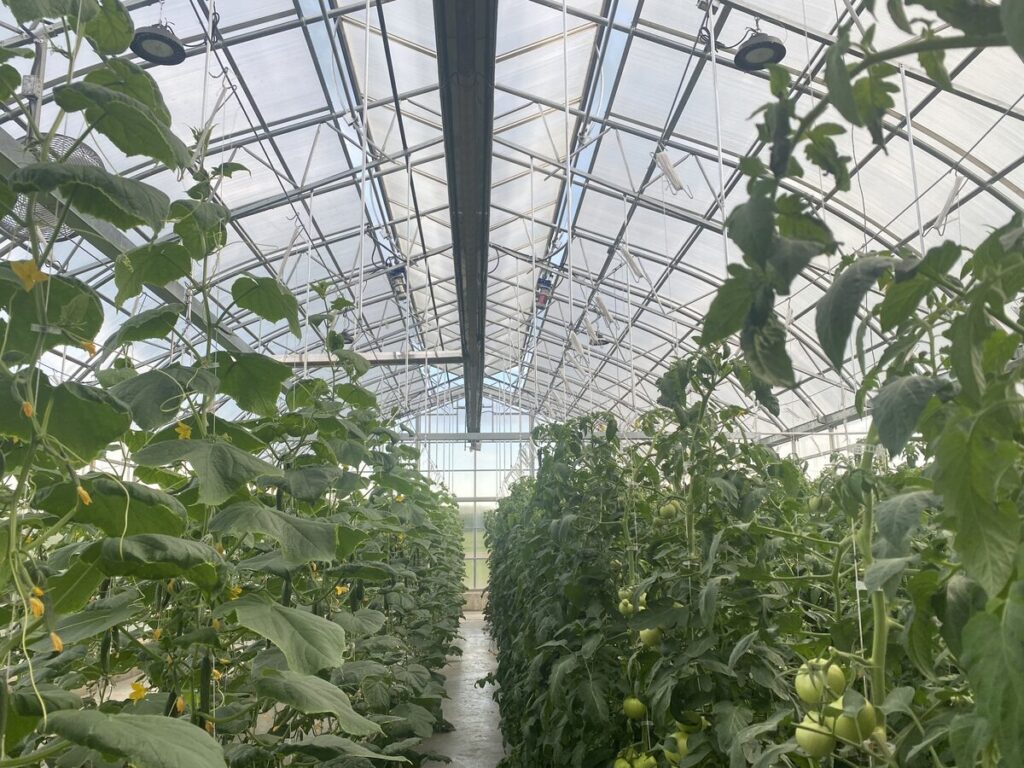
Reflect-O-Ray Radiant Heat in a Commercial Greenhouse
Side-by-side field observations from a working greenhouse: floor temperatures, root-zone temperatures, slab conduction, and what Reflect-O-Ray's flattened tube profile did for plant response over...
Read article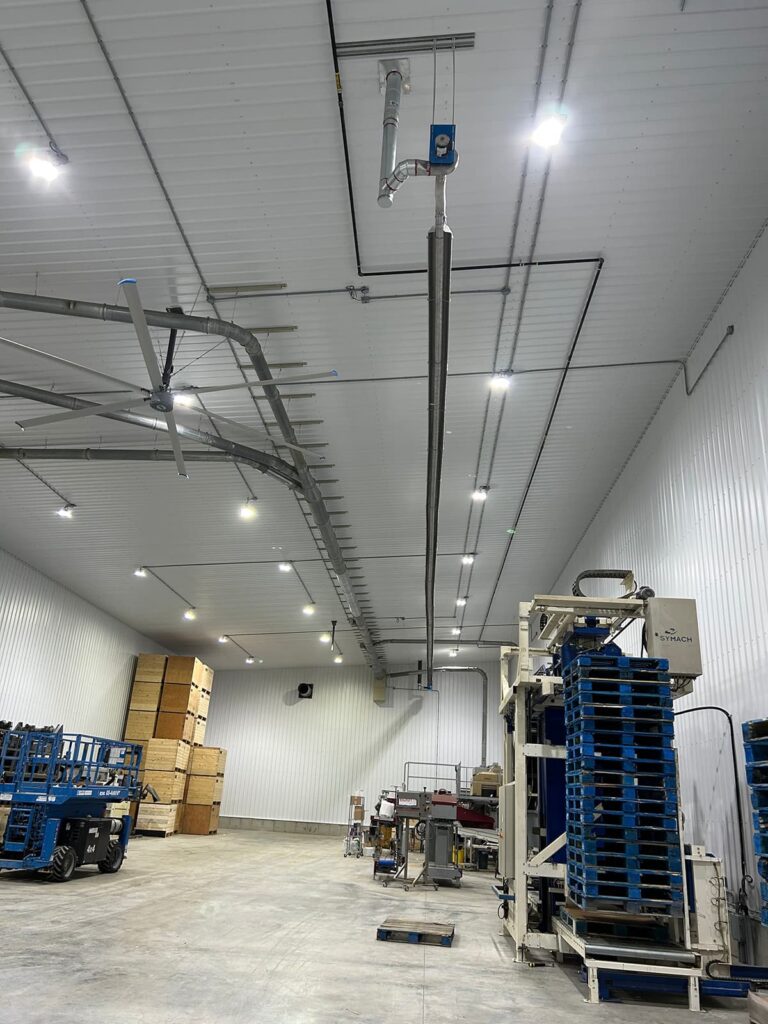
Quicker. Faster. Further. Stronger. Safer.
Two heaters can both be called "radiant" and behave nothing alike. Reflect-O-Ray's low-mass aluminized spiral tubing changes five specific things about how a radiant...
Read article
Let There Be Light
Infrared is the warming part of sunlight — invisible light that travels through cold air without warming it, then sinks into solid surfaces and...
Read article