Why Surface Temperature, Not Air Temperature, Controls Air Exchange
Ventilation in poultry facilities is not limited by fan capacity. It is limited by surface temperature.
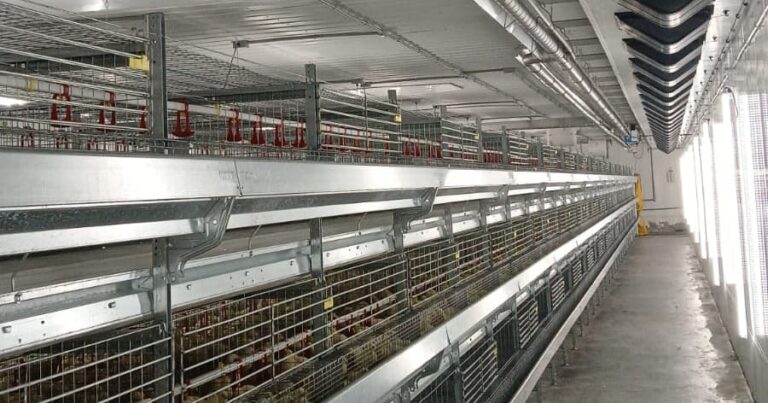
During cold weather, most ventilation failures occur not because air cannot move, but because moving air triggers condensation. Once condensation appears on walls, ceilings, floors, and equipment, moisture migrates into litter and dust, accelerating ammonia release, pathogen growth, and structural decay.
This is not a ventilation equipment problem. It is a thermal surface stability problem.
Why Conventional Heating Restricts Ventilation
Hot water systems and forced-air heaters primarily control air temperature, not surface temperature. As warm air rises, it creates a vertical temperature gradient:
- warm air near the ceiling
- cold walls and floor surfaces
- cool litter and contact zones at bird level
When ventilation air is introduced under these conditions, the warm air collapses rapidly, exposing cold surfaces. Moisture in the air then condenses on contact, creating persistent wet zones along walls, doors, floors, and structural framing.
This forces operators to choose between ventilation and moisture control. Most are forced to restrict airflow to prevent flooding their barn with condensation.
Radiant Heating Decouples Ventilation from Condensation
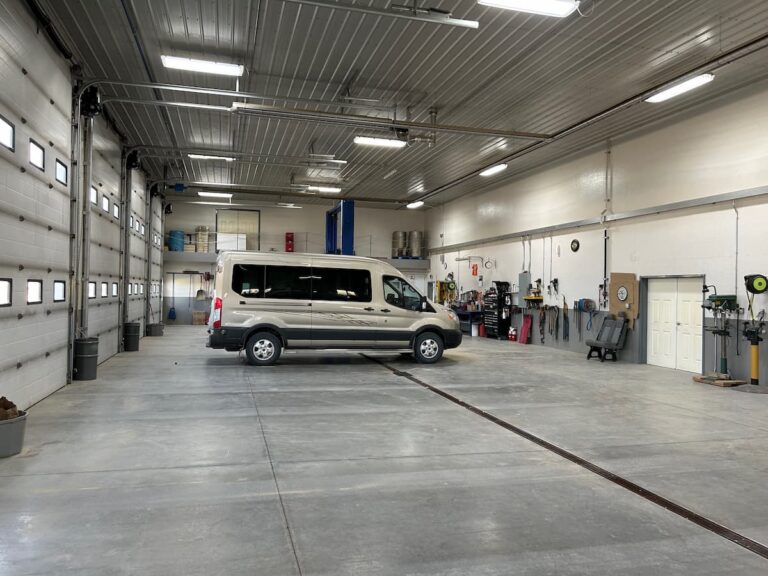
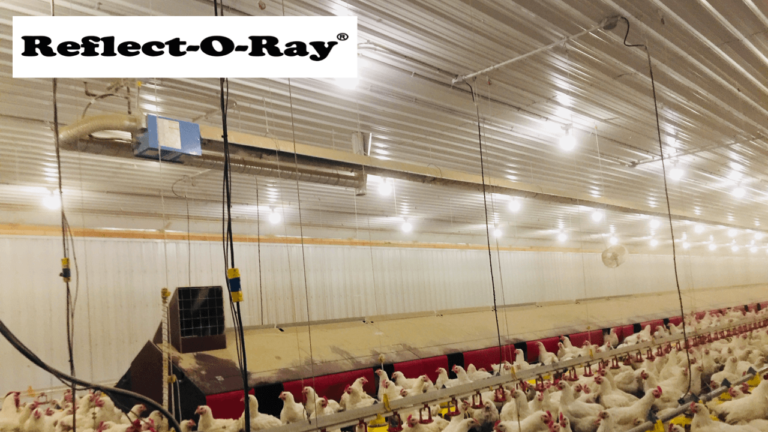
Radiant heating operates by warming mass first—floors, walls, framing, equipment—rather than relying on air temperature alone. Once those surfaces remain above dew point, moisture has nowhere to condense.
This changes the entire barn dynamic. Ventilation can increase without triggering moisture formation because the envelope itself is stabilized thermally.
Airflow is no longer an enemy to heat retention. It becomes a controllable biological tool.

Ventilation Becomes a Year-Round Control System
Once surface temperatures remain stable, ventilation no longer has to be seasonally restricted. Operators can maintain continuous air exchange to:
- flush ammonia
- remove fine particulates
- stabilize humidity
- equalize oxygen levels
This dramatically reduces respiratory stress in birds and workers while preventing moisture loading inside the barn.
Odor Control Is a Moisture-Control Process
Odors are not primarily airborne problems. They are microbial problems driven by moisture.
By stabilizing surfaces first and ventilating second, radiant-heated barns suppress odor formation at the source. This prevents ammonia spikes instead of reacting to them after they are airborne.
Why Reflect-O-Ray Enables True Ventilation Control
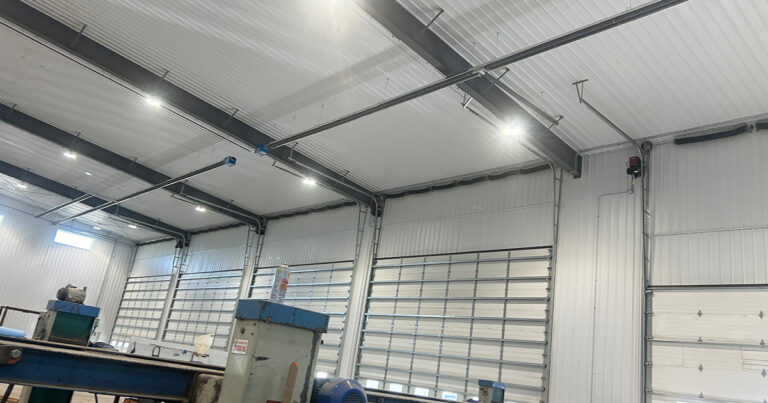
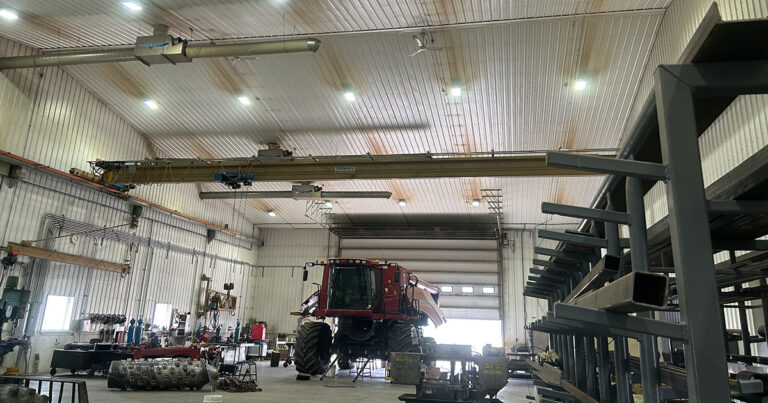
Unlike convection-based heating systems, Reflect-O-Ray operates as a surface-control architecture. It actively stabilizes:
- floors
- walls
- ceiling mass
- equipment infrastructure
This eliminates the cold-surface trigger responsible for most condensation failures. Once the envelope stays warm, ventilation becomes reliable across all seasons.
Conclusion: Ventilation Follows Surface Stability
Ventilation failure is not caused by weak fans. It is caused by unstable thermal surfaces.
Once floors, walls, and structural mass remain dry and warm, ventilation can operate continuously without triggering condensation, microbial growth, or odor formation.
This is not airflow management. It is surface temperature engineering. And once that foundation is in place, air exchange finally becomes what it was always meant to be—a biological control system instead of a seasonal compromise.