Your Barn Is Your
Biggest Investment.
Moisture Is Destroying It.
Condensation, rust, wet bedding, ammonia, freeze-ups — these aren't maintenance issues. They're environment problems. And they have a solution.
Cold air isn't just uncomfortable.
It's expensive.
Most producers manage around the symptoms — extra bedding, more feed, higher vet bills, rust repairs. The root cause is the same in every case: a barn environment that isn't controlled.
Condensation & Structural Damage
Warm, humid air contacts cold walls and ceilings — depositing moisture every night all winter. The result is rust, rot, mold, and a slow deterioration of your structure.
Fog, Ammonia & Air Quality
Wet bedding produces ammonia at a far higher rate than dry bedding. Canada Organic Standards cap ammonia at 25 ppm — chronic wet-barn levels routinely exceed this, damaging lungs and lowering immunity.
Cold Stress & Lost Production
A cold animal burns energy staying warm instead of producing milk or gaining weight. Feed costs rise 20–30%. Output drops. Immune function weakens. It's a losing equation all winter long.
Surface-first heating.
Not air-first.
Every conventional heating system — hot water fin, forced air, box heaters — warms the air. Reflect-O-Ray warms the barn itself first. The air follows.
⚗️ Why Surface Heating Eliminates Condensation
Infrared energy transfers directly to surfaces — floors, walls, structure, and animals — warming the air as a result of a warm barn, not the other way around.
Warm surfaces stay above the dew point. Condensation physically cannot form on a surface that's warmer than the moisture in the surrounding air. The cycle that destroys barns is broken at the source.
The barn environment stabilizes. No fog. No condensation. Bedding stays dry. Ammonia drops because wet bedding is eliminated. Everything improves from one root fix.
30–50% more fuel efficient than conventional radiant heating. 22-gauge aluminized steel reaches full output in 3–6 minutes. Runs less often, costs less, no corrosion, no rust.
One system. Every cattle application.
Reflect-O-Ray is custom-engineered for each barn — ceiling height, layout, livestock type, and climate all factored in.
Dairy Barns
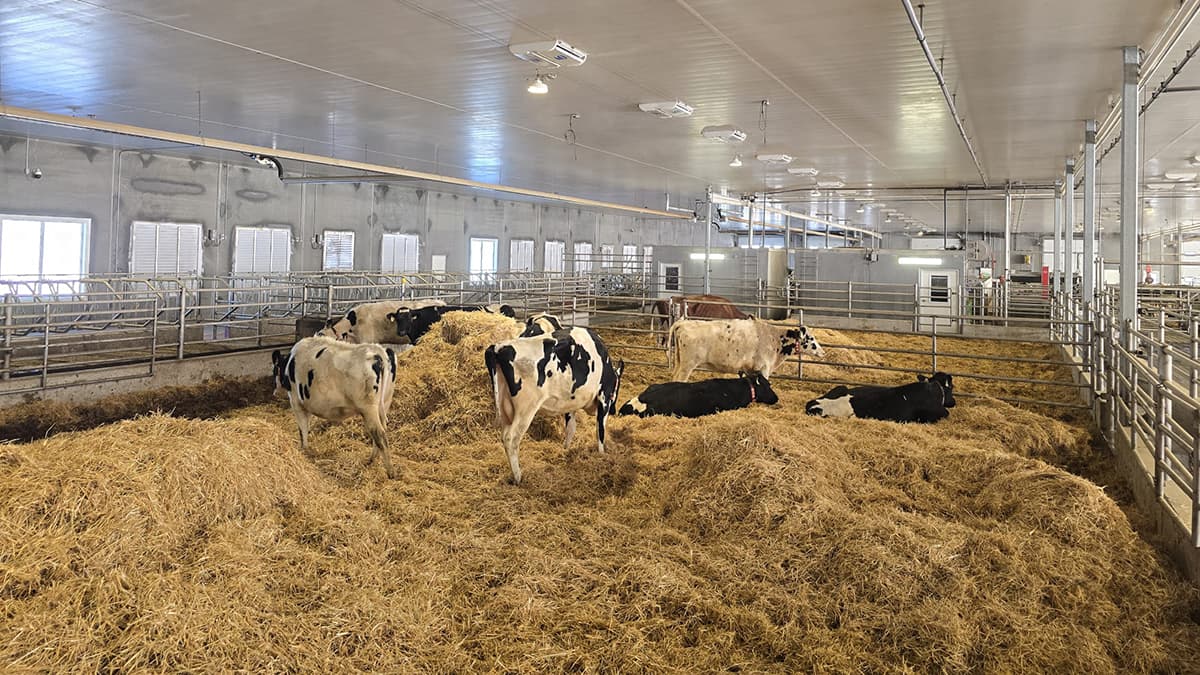
Freestall and tiestall operations. Eliminates condensation, keeps bedding dry, protects milk quality and somatic cell counts through the harshest Prairie winters.
Beef & Cow-Calf
Reduces cold stress, improves feed conversion, protects barn structure through freeze-thaw cycles. Animals spread out and lie down naturally instead of huddling in warm corners.
Calving Facilities
Consistent low-intensity warmth without direct heat stress. Newborns get a dry, stable environment from first breath. Proven through the January 2024 -50°C cold snap in southern Alberta.
Calf Barns
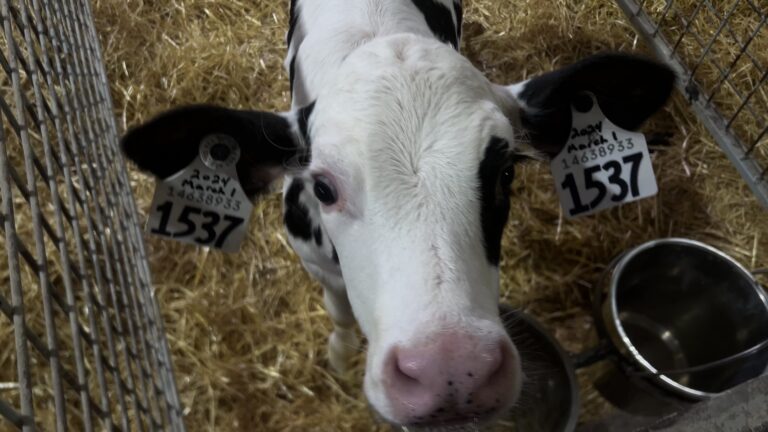
Young animals are most vulnerable to cold stress and respiratory disease. Surface heating keeps the environment dry and the air clean — the two biggest factors in calf survival and growth rates.
Your Workers Breathe This Air Too
Ammonia exposure in cold, wet barns isn't just an animal welfare issue — it's an occupational health issue. Chronic low-level ammonia damages respiratory function in farm workers over time. A dry barn with controlled humidity isn't a luxury. For anyone working in that environment daily, it's a basic safety standard.
Canada's livestock standards require it.
The NFACC Codes of Practice for beef and dairy cattle — used by processors, certifiers, and auditors across Canada — require adequate ventilation, dry lying areas, and air quality that doesn't impair animal or worker well-being.
- Ammonia limit: 25 ppm Canada Organic Standards — routinely exceeded in cold, wet barns with condensation problems.
- Dry lying areas required — wet bedding is explicitly identified as a welfare concern and a driver of mastitis and hoof disease.
- Air quality standards — humidity, fog, and ammonia levels shall not impair the well-being of animals or workers.
Add photo here
Clean barn interior or installation shot
Real numbers. Real Western Canadian barns.
One installation. One of the coldest winters on record. These are their actual before-and-after numbers.
The fog was so bad on cold days that we couldn't even see the cows. Now, there's zero fog in the barn. The air is clearer, the environment is drier, and the cows are simply healthier. Not only that, but there is no more condensation in the barn — the straw and shavings stay dry. Before, we had to put down new straw every day. Now we only have to bed the cows once a week. It's a no-brainer.
Ready to control your
barn environment?
Enviro-Smart Inc. designs and installs Reflect-O-Ray systems across Western Canada. Free layout consultation — we'll assess your barn and tell you exactly what it needs.